call today for your free evaluation
call today for your free evaluation
Posted on March 12, 2026 written by Jane Paulson
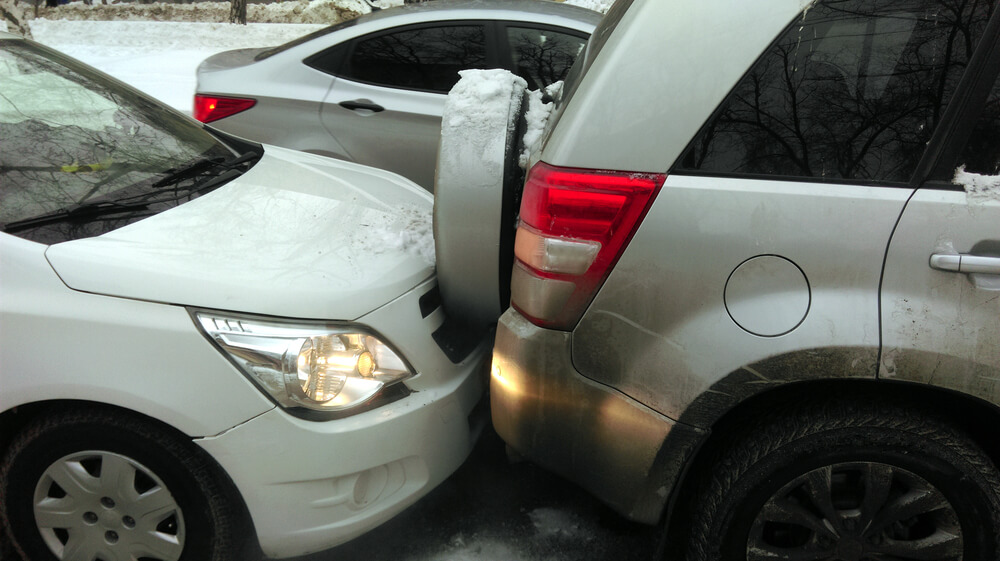
After rear-ending a vehicle that had suddenly stopped, many drivers are left wondering how the incident unfolded so quickly and what it means for their potential liability. The experience can be deeply unsettling. In the moments that follow, attention often turns to possible injuries and the financial consequences of the collision. In Portland, these types of crashes occur frequently in dense traffic, changing weather conditions, and along major commuter routes such as Interstate 5 and Highway 26, where sudden stops are common. Although many drivers immediately assume they are solely at fault, Oregon law requires a careful, fact-specific evaluation.
While a rear driver is generally presumed responsible for failing to maintain a safe following distance, liability may be reduced or shared when the lead driver makes an unreasonable or unlawful sudden stop, including braking without justification in active traffic. Evidence such as inoperable brake lights, reckless maneuvering, or intentional brake checking can rebut the initial presumption of negligence. Early consultation with a Portland car accident lawyer can provide clarity about your rights and the obligations that may arise. At Paulson Coletti, we assist individuals throughout Portland, Oregon, in carefully examining the facts and taking informed steps to protect their interests.
Speak to a Portland Medical Malpractice Lawyer for Assistance Today
Oregon law requires drivers to maintain a safe following distance so they can respond to traffic conditions ahead. Under Oregon Revised Statutes Section 811.100, a driver may be cited for trailing another vehicle more closely than is reasonable and prudent. This often creates a presumption that the rear driver is responsible. However, liability is not determined solely by assumption. Investigators review traffic flow, speed, visibility, braking patterns, witness statements, and sometimes event data recorders that capture vehicle movement seconds before impact.
Even when a citation is issued, civil responsibility depends on the full circumstances. In many situations involving a collision in which a vehicle stopped without warning, drivers later describe rear-ending a car that suddenly slowed, yet the surrounding evidence often suggests more than mere inattention.
Not every sudden stop is legally justified. Drivers may share responsibility when their conduct contributes to the collision. Liability may shift when the lead driver engages in conduct such as:
Brake checking is one example. Intentionally slamming on the brakes to intimidate another driver may support a comparative-fault claim. Oregon follows a modified comparative negligence system, meaning each party may be assigned a percentage of responsibility.
A person who is more than 50% at fault cannot recover damages. Careful investigation, including vehicle damage patterns and available footage, helps clarify how the collision occurred.
Portland road conditions, including rain, slick pavement, construction, and congestion, directly affect stopping distance. Driver conduct also matters. Distracted driving, speeding, fatigue, or impairment can increase liability, while unexpected hazards may justify a rapid stop.
Courts and insurers evaluate whether each driver acted reasonably under the circumstances. Fault determinations are based on the totality of the evidence, not a single moment.
Rear-end collisions frequently cause injuries that are not immediately apparent. Whiplash, soft tissue damage, and concussions may take hours or days to develop. Prompt medical evaluation protects your health and creates documentation linking the crash to your injuries.
Medical providers can also monitor subtle neurological symptoms that may not be immediately obvious after a collision. Delays in treatment can make claims more difficult to support.
Insurance carriers typically review police reports, vehicle damage, and recorded statements before evaluating a claim. Because rear drivers are often presumed at fault, early settlement offers may not reflect the full extent of medical care, lost income, or long-term impact.
A thorough review of records and damages is necessary to ensure compensation reflects both current and future losses, including ongoing therapy, rehabilitation needs, and the broader disruption to daily life.
The actions you take in the hours and days following a collision can significantly influence your ability to protect your rights and secure a fair resolution.
To safeguard your position, consider the following steps as soon as possible:
These measures create a strong factual foundation and reduce the risk that important evidence will be lost. When a case arises from rear-ending a vehicle that suddenly halted, thorough documentation enables a clearer legal analysis and a more effective strategy.
Rear-impact crashes raise complex questions about responsibility, medical recovery, and financial stability. Thoughtful legal guidance can bring structure and clarity to an otherwise complex and stressful situation. At Paulson Coletti, we approach every case with careful preparation and a commitment to holding negligent parties accountable. Our team understands Portland traffic patterns, Oregon law, and the tactics insurers use to limit payouts, and we prepare each case with the expectation that it must withstand close scrutiny.
Call 503-226-6361 to discuss your situation and learn how we can help protect your rights and pursue the compensation you deserve.

This page has been written, edited, and fact-checked by our team of legal writers in accordance with our editorial guidelines. It has been approved by partners Jane Paulson and John Coletti—respected trial attorneys with decades of experience representing personal injury victims.
Key Takeaways You can request OEM parts at any point in the repair process, regardless of fault. Oregon’s ORS 746.287 limits insurers from requiring...
Key Takeaways No single average settlement exists because Oregon law often keeps minor settlement records private and sealed. Injury severity, age, the clarity of...
Blind spot accident statistics highlight an alarming trend affecting drivers throughout Portland and nationwide. While modern vehicles are becoming increasingly advanced, many crashes occur...

 (503) 226-6361