
call today for your free evaluation
call today for your free evaluation
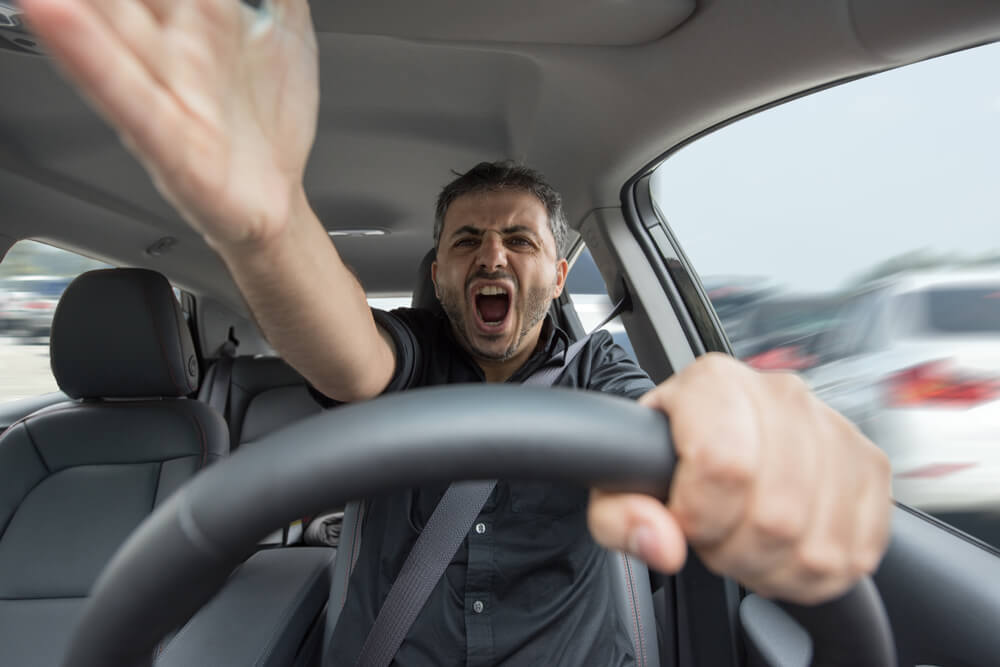
Regarding driving dilemmas, road rage vs. aggressive driving sparks curiosity and questions. Often used interchangeably, these two terms are different and have distinct definitions and consequences. At Paulson Coletti, our Portland car accident lawyer team believes drivers should know the differences for their safety and to better understand the legal repercussions. This article will explore road rage and aggressive driving, how they differ, and their effects on traffic safety.
Injured in a Car Accident? We Can Help You Seek Compensation
According to DMV, road rage is defined as “aggressive or violent behavior stemming from a driver’s uncontrolled anger at the actions of another motorist.” Road rage goes beyond a simple annoyance or frustration while driving and escalates to behaviors like:
Often triggered by unchecked emotions or previous stressors, road rage can lead to severe consequences like physical harm, property damage, or even death. Legally, road rage is considered a criminal offense, making it a more serious issue than aggressive driving.
The term “aggressive driving” is defined by the NHTSA as “the operation of a motor vehicle in a manner that endangers or is likely to endanger persons or property.” Unlike road rage, aggressive driving is a traffic offense, but it still involves risky behaviors that can escalate into more dangerous situations.
Examples of aggressive driving include:
While aggressive driving may not involve the intent to harm, it contributes significantly to accidents and road safety issues.
Related reading: Aggressive maneuvers like unsafe lane changes are a primary reason why motorcycles are frequently involved in accidents.
Understanding the differences between road rage and aggressive driving can help you identify these behaviors and avoid escalating situations.
Both aggressive driving and road rage have serious legal repercussions, but road rage is greater as it is a criminal offense. Road ragers may face assault, vandalism, or reckless endangerment charges. Aggressive drivers are given lighter offenses like fines, points on their license, or courses.
Knowing the differences is necessary to build a case of law if you are a victim of either kind of behavior, and it leads to an accident. Proving malicious intent in a road rage case might lead to larger settlements, but aggressive driving cases usually concentrate on demonstrating negligence.
Both behaviors are hazardous and significantly impact traffic safety. Here’s how they affect the roads:
If you or a loved one has been involved in an incident caused by road rage or aggressive driving, the aftermath can be overwhelming. Understanding your rights and legal options is essential. At Paulson Coletti, we are here to help you seek justice and compensation for your injuries, emotional distress, and loss. Call us today at 503-226-6361 to discuss your case.

This page has been written, edited, and fact-checked by our team of legal writers in accordance with our editorial guidelines. It has been approved by partners Jane Paulson and John Coletti—respected trial attorneys with decades of experience representing personal injury victims.
Key Takeaways Electric vehicles are not inherently more dangerous and often receive strong crash safety ratings. Their design, including larger crumple zones and reinforced...
Key Takeaways Prioritize safety by checking for injuries and, if possible, moving vehicles out of traffic. Call 911 promptly to secure medical help and...
Key Takeaways Oregon law bans holding or using a phone while driving, even at a red light. A violation can occur with texting, browsing,...

 (503) 226-6361