
call today for your free evaluation
call today for your free evaluation
Posted on April 29, 2026 written by Jane Paulson
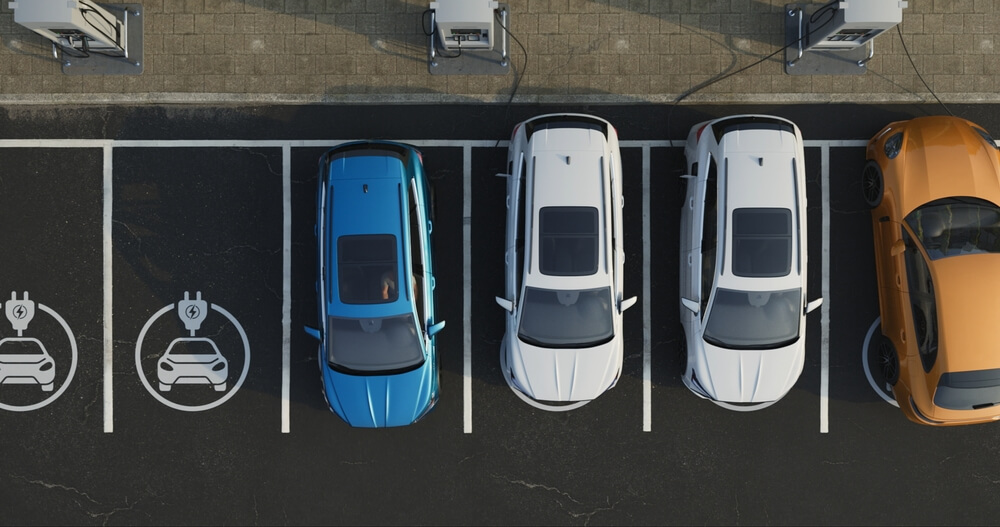
After a serious crash, questions about vehicle safety often come into sharper focus, especially as electric vehicles become more common across Portland roads. Many people now ask, are electric cars more dangerous in a crash? particularly when concerns about battery performance and impact forces arise. As Portland car accident lawyers, we regularly guide individuals through these concerns and help them understand how electric vehicles behave differently from traditional ones in serious incidents.
Electric vehicles are not typically more dangerous than traditional gas-powered cars in a crash, and many receive strong safety ratings. While their battery weight can affect impact forces and create rare but intense fire risks, these vehicles are built with reinforced designs that often provide strong protection for occupants. At Paulson Coletti, we help individuals evaluate the safety realities and the legal considerations that may arise from these situations.
Injured in a Car Accident? We Can Help You Seek Compensation
Electric vehicles are engineered differently from gasoline-powered cars, which affects how impact forces are absorbed. Without a large front engine, many EVs feature expanded crumple zones to reduce occupant injuries.
Reinforced frames surrounding the battery pack can also limit cabin intrusion and improve passenger protection. However, the added battery weight may influence how force is transferred during multi-vehicle crashes.
Battery placement plays a key role in EV safety. Most batteries are mounted on the vehicle floor, lowering the center of gravity and reducing rollover risk. At the same time, the added weight can increase impact force in certain crashes. Manufacturers address this with protective casings and automatic shutoff systems to limit post crash hazards.
Fire risk is often raised when discussing whether electric cars are more dangerous in a crash. These incidents are rare, but when they occur, they can burn hotter and require a specialized response.
Emergency responders face unique risks in EV crashes, including thermal runaway, in which a damaged battery cell can trigger a chain reaction.
The National Highway Traffic Safety Administration explains that electric and hybrid vehicles are equipped with safety features that automatically shut down high-voltage systems during a crash, helping reduce the potential for electrical hazards.
Even with these protections, fire suppression may take longer and require continued monitoring, creating different post crash challenges.
Contact Our Portland Car Accident Lawyer
When comparing safety, the question of whether electric cars are more dangerous in a crash does not have a simple yes-or-no answer. In many cases, electric vehicles perform well in crash testing and provide strong protection for occupants.
According to electric vehicle myths, modern EVs are built with advanced safety features that are comparable to or exceed those in conventional vehicles. This includes reinforced passenger compartments, advanced driver assistance systems, and improved structural integrity.
While EVs may present different risks, such as battery-related hazards or increased vehicle weight, they also offer safety advantages. Reduced rollover risk, strong crash test performance, and enhanced occupant protection all contribute to their overall safety profile.
Determining liability in an electric vehicle accident can be more complex. In Oregon, fault-based laws allow injured parties to seek compensation when another party is at fault for the crash.
In some cases, responsibility may extend beyond driver negligence to manufacturers or component designers if a defect played a role. Evidence such as crash reports, vehicle data, and expert analysis is often necessary to understand how the incident occurred and how those factors may affect a claim involving these safety considerations.
After a crash involving an electric vehicle, having clear, informed legal guidance can make a meaningful difference in how a case progresses and in early decision-making. Questions about safety, liability, and long-term impact often arise quickly, especially when injuries are involved.
At Paulson Coletti, we work closely with individuals across Portland to evaluate accident claims, identify responsible parties, and pursue full compensation for both physical and emotional harm. To discuss your situation, call 503-226-6361 and learn how we can help you move forward with clarity and confidence.
[user-contact id=”2″]

This page has been written, edited, and fact-checked by our team of legal writers in accordance with our editorial guidelines. It has been approved by partners Jane Paulson and John Coletti—respected trial attorneys with decades of experience representing personal injury victims.
Key Takeaways You can request OEM parts at any point in the repair process, regardless of fault. Oregon’s ORS 746.287 limits insurers from requiring...
Key Takeaways No single average settlement exists because Oregon law often keeps minor settlement records private and sealed. Injury severity, age, the clarity of...
Blind spot accident statistics highlight an alarming trend affecting drivers throughout Portland and nationwide. While modern vehicles are becoming increasingly advanced, many crashes occur...

 (503) 226-6361