
call today for your free evaluation
call today for your free evaluation
Posted on July 10, 2025 written by Jane Paulson
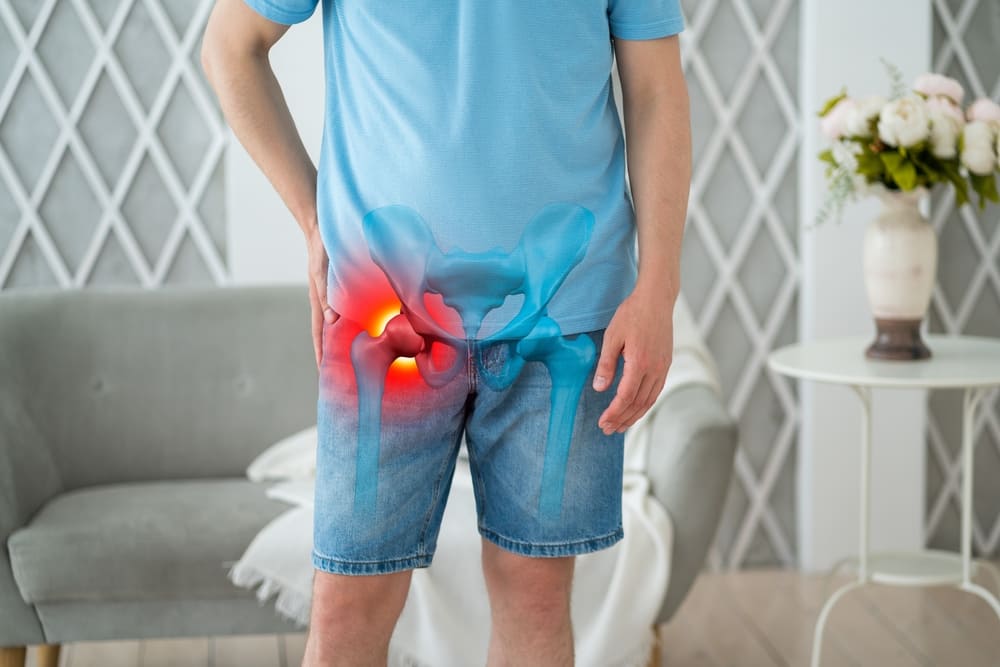
Hip replacements can be life-changing, offering relief from pain and restoring mobility. However, complications can occur. A femur fracture during hip replacement surgery may raise concerns about medical malpractice, particularly if it was caused by a surgeon’s negligence or failure to meet medical standards.
While some fractures are unavoidable due to patient-specific factors or unforeseen complications, others may result from improper surgical techniques, poor planning, or inadequate post-operative care. At Paulson Coletti, our Portland medical malpractice lawyer helps clients determine whether their injury was due to unexpected complications or a true femur fracture during hip replacement malpractice, guiding you through your next steps.
Speak to a Portland Medical Malpractice Lawyer for Assistance Today
The femur, commonly referred to as the thigh bone, is the strongest and longest bone in your body. A fracture occurs when the bone is broken, resulting from trauma, stress, or underlying health conditions like osteoporosis. During hip replacement surgery, the femur may be at risk of fracture due to the mechanical force in implanting the new joint.
According to MedlinePlus, repairing a femur fracture may require an open reduction internal fixation (ORIF). This surgical method involves aligning the bone and securing it with metal devices like rods, screws, or plates. Recovery can take several months and often requires physical therapy.
Femoral fractures during or following hip replacement surgeries fall into two main categories:
These occur during the surgery itself and are often attributed to:
These fractures happen after the surgery and can result from:
The severity of the fracture determines the treatment approach, which may range from conservative management to complex revision surgeries.
Several factors may contribute to femur fractures during hip replacement:
Improper surgical techniques or poor bone preparation can lead to fractures. It is crucial to ensure that the surgeon follows accepted medical standards.
Patients with osteoporosis or other conditions that weaken the bone are at higher risk.
Faulty hip implants, like the recalled Zimmer implants, can increase the likelihood of fractures. They may loosen over time, placing stress on the femur.
Falls or other accidents during the post-surgical recovery period can result in fractures, particularly if the bone is already compromised.
Femur fractures during hip replacements are not always preventable. However, sure signs may indicate that malpractice could be involved:
A femur fracture caused by negligence can have long-lasting physical, emotional, and financial consequences. Consulting with a medical malpractice attorney can help determine if your case’s circumstances warrant legal action.
Speak to a Portland Medical Malpractice Lawyer for Assistance Today
Speak to a Portland Medical Malpractice Lawyer for Assistance Today
If malpractice is suspected, understanding the legal timeline is crucial. According to the Oregon State Bar, the statute of limitations for medical malpractice in Oregon is typically two years from when the injury was discovered or reasonably should have been discovered. However, a statute of ultimate repose imposes a strict five-year deadline from the treatment date, regardless of when the injury is discovered.
Failing to act within these deadlines may result in losing the right to seek compensation, making it essential to consult an attorney promptly.
If you believe your femur fracture was caused by malpractice during a hip replacement procedure, here’s what you should do:
Your health is the top priority. Consult a trusted healthcare provider to ensure you receive a proper diagnosis and treatment.
Thoroughly document your medical history, including:
If a defective implant is involved, preserve it for investigation. This could be a critical piece of evidence in a legal case.
An attorney experienced in handling medical malpractice cases can help evaluate your situation, gather evidence, and determine whether you have a valid claim.
If you or a loved one suffered a femur fracture during hip replacement surgery, it’s essential to know your options. Paulson Coletti can help you navigate potential claims and seek justice in Portland and Oregon.
Act quickly, as medical malpractice cases have time limits. Call us today at 503-226-6361 for a free consultation. Our experienced team is ready to help.

This page has been written, edited, and fact-checked by our team of legal writers in accordance with our editorial guidelines. It has been approved by partners Jane Paulson and John Coletti—respected trial attorneys with decades of experience representing personal injury victims.
Key Takeaways A missed or delayed colorectal cancer diagnosis can be medical malpractice if negligence caused it. Doctors sometimes mistake early symptoms for hemorrhoids...
Key Takeaways Spinal cord injuries during neurosurgery are rare but can cause permanent paralysis or nerve damage. Wrong-level surgery, failed fusion, and misdiagnosis are...
Key Takeaways Surgical errors remain a common, though often underreported, cause of preventable patient harm in Oregon hospitals. Wrong-site surgery and retained surgical items...

 (503) 226-6361