
call today for your free evaluation
call today for your free evaluation
Posted on August 12, 2025 written by Jane Paulson
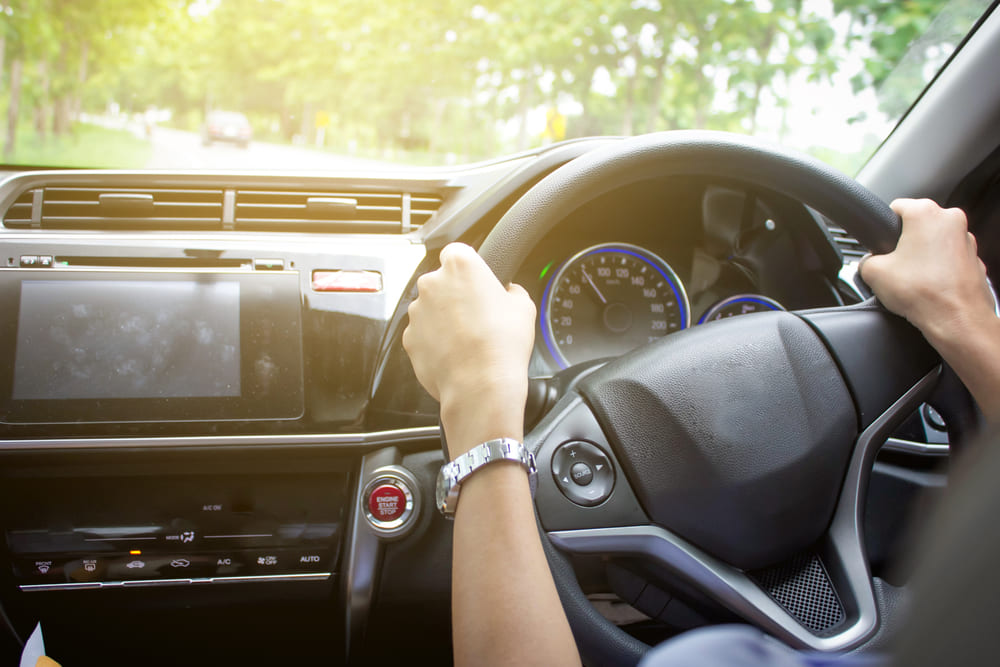
Driving through Portland’s winding roads, rain-slicked streets, and busy intersections means preparing for the unexpected. What is the first rule of defensive driving? It is to stay alert and aware of your surroundings at all times. Defensive driving is more than a skill; it’s a mindset that helps reduce accidents and protect lives.
Staying alert helps you detect sudden lane changes, distracted drivers, and other unexpected behavior on the road. This habit forms the safety foundation, giving you the mental edge to react appropriately. At Paulson Coletti, our Portland car accident lawyer understands how crucial this principle is when preventing injuries and holding negligent drivers accountable.
Injured in a Car Accident? We Can Help You Seek Compensation
Defensive driving begins with preparation and awareness. Drivers must adjust their behavior for weather, road conditions, traffic, visibility, and personal wellness. Oregon’s DMV Manual reminds us that visibility is key, so nothing must obstruct your front, side, or rear view while driving.
A defensive driver constantly makes decisions every mile, every turn, and every stoplight. This mindset helps navigate not just regular traffic but unpredictable events like sudden stops, erratic drivers, or changing road conditions.
Defensive driving also includes understanding your vehicle’s limitations. Knowing how your car reacts to braking, hydroplaning, or sharp turns gives you an edge when a split-second reaction is required. From checking blind spots to anticipating others’ moves, driving defensively is about always staying one step ahead.
Staying alert also helps navigate unfamiliar areas or interact with out-of-town drivers who may not follow local driving norms. In a city like Portland, with a mix of local commuters and visitors, heightened awareness makes it easier to anticipate unintentional mistakes such as abrupt lane shifts, wrong turns, or last-minute exits that could otherwise lead to a crash.
The foundation of defensive driving is staying mentally present and scanning your environment. Awareness helps anticipate dangers before they arise. Whether you spot a swerving car ahead, notice a pedestrian stepping into the road, or adjust to a slick patch of pavement, your vigilance can prevent a collision.
Driving is not passive. Staying alert involves keeping your eyes moving, watching other drivers’ behavior, and continuously evaluating possible escape routes. This attentiveness allows drivers to react quickly and wisely when challenges appear.
Being alert also means being honest about your state of mind. Fatigue, stress, or distractions can all dull your ability to react and recognize hazards. Oregon law encourages drivers to assess their physical and emotional readiness before getting behind the wheel.
Staying alert is only the beginning. Safe driving also requires proactive habits that reduce risk and protect yourself and others.
Tailgating is one of the most dangerous driving habits. Oregon’s guidance emphasizes that having enough space gives you time to:
These split-second decisions can only be made safely when distance is maintained.
Following too closely doesn’t just risk a rear-end collision; it creates constant anxiety for both drivers involved. By creating a buffer zone, you give yourself room to react and allow traffic flow to continue more safely.
Speeding limits your reaction time. Defensive drivers follow posted speed limits, adapt to weather conditions, and respect road signage that indicates curves, pedestrian zones, or animal crossings.
Obeying road signs is not just about legality; it’s about awareness. Recognizing changing traffic patterns or reduced visibility areas helps prevent sudden braking or swerving.
Ignoring signs can lead to risky decisions, such as missing sharp turns or ignoring school zone warnings. These seemingly minor errors often lead to significant consequences. Part of defensive driving is treating every sign as a helpful tool, not an inconvenience.
Contact Our Portland Car Accident Lawyer
Every accident avoided is a life protected. Defensive driving reduces crash risks by making the driver actively participate in their environment.
For example:
These small decisions create a buffer between your car and potential danger.
According to the Oregon DMV’s driving manual, safe driving includes knowing how to manage off-road recoveries, avoid oncoming vehicles, and respond to wildlife on the road. These are key components of defensive driving that rely on one’s ability to assess and act in real time.
Defensive drivers also anticipate seasonal risks. In Portland, that may include increased rain and fog in fall and winter or more pedestrians and cyclists during spring and summer. Adjusting for visibility, slick pavement, and more road users is part of protecting everyone sharing the road.
Some habits can easily derail your commitment to safe driving. These include:
Each action increases your risk of getting hurt and someone else’s.
Ignoring these rules can also lead to legal consequences, mainly if an accident occurs. Practicing defensive driving isn’t only about avoiding injury; it’s also about preventing liability that may follow unsafe behavior.
Defensive driving is not about perfection, but about making conscious, safe choices in unpredictable environments.
Even the most careful drivers can be injured by someone else’s negligence. If a distracted or reckless motorist caused your crash, Paulson Coletti is here to help. Our team is committed to helping crash victims in Portland understand their legal rights and pursue fair compensation when it’s deserved.
Call us today at 503-226-6361 to speak with a legal team that understands the actual cost of a car accident and how to hold the right parties accountable.

This page has been written, edited, and fact-checked by our team of legal writers in accordance with our editorial guidelines. It has been approved by partners Jane Paulson and John Coletti—respected trial attorneys with decades of experience representing personal injury victims.
Key Takeaways Electric vehicles are not inherently more dangerous and often receive strong crash safety ratings. Their design, including larger crumple zones and reinforced...
Key Takeaways Prioritize safety by checking for injuries and, if possible, moving vehicles out of traffic. Call 911 promptly to secure medical help and...
Key Takeaways Oregon law bans holding or using a phone while driving, even at a red light. A violation can occur with texting, browsing,...

 (503) 226-6361