call today for your free evaluation
call today for your free evaluation
Posted on April 10, 2026 written by Jane Paulson
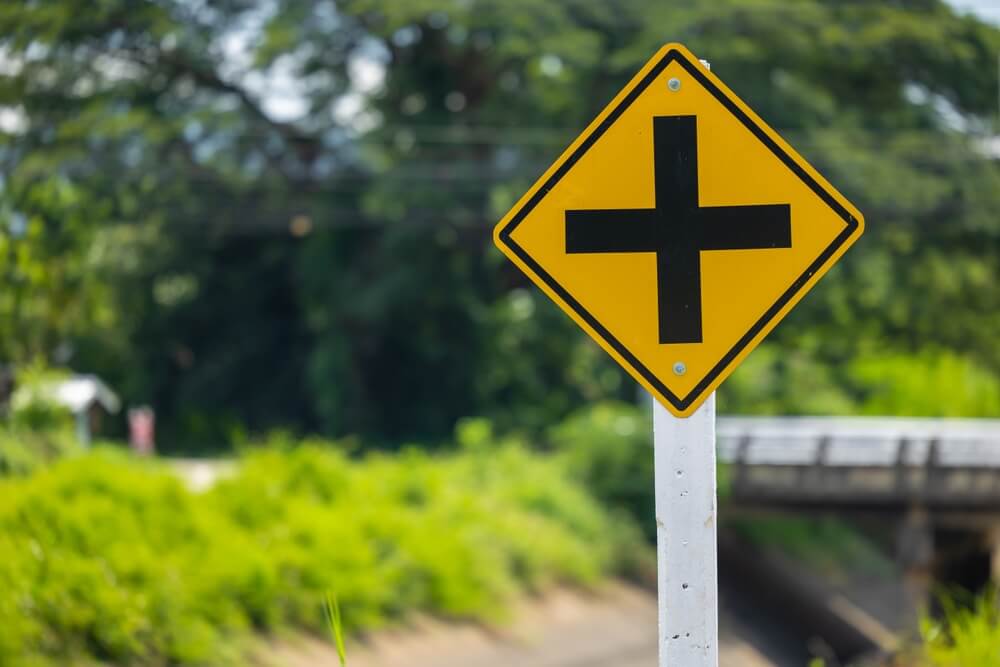
Traffic patterns in Portland present significant risks for drivers, cyclists, and pedestrians. The most dangerous intersections in Portland reflect locations where lives can change in an instant. Many people turn to a trusted Portland car accident lawyer to understand what happened and what comes next.
In Portland, high-risk intersections are concentrated in Southeast and Northeast neighborhoods, especially along corridors such as SE Division Street, 122nd Avenue, and 82nd Avenue. One intersection, SE Division Street and 122nd Avenue, has been repeatedly identified as one of the most hazardous, with dozens of crashes and significant injuries reported over a relatively short period.
At Paulson Coletti, we have seen how these crashes affect individuals and families across Oregon.
Injured in a Car Accident? We Can Help You Seek Compensation
Crash data across the city continues to highlight certain areas where collisions occur more frequently and with greater severity. According to the Portland Vision Zero High Crash Network, specific streets and intersections account for a disproportionate number of serious and fatal crashes.
Intersections along 82nd Avenue, SE Division Street, and NE 122nd Avenue consistently appear in reports due to high volume and complex traffic patterns, combining commuter traffic, pedestrian crossings, and multiple lanes.
Knowing these locations helps drivers remain alert, though awareness alone does not eliminate the risks. The most dangerous intersections in Portland remain active areas for serious crashes despite ongoing safety efforts.
These areas remain high-risk due to outdated designs that no longer align with current traffic volumes and population density. This gap contributes to ongoing safety concerns.
Crashes typically result from a combination of design, traffic flow, and driver behavior. High traffic volume and limited visibility reduce reaction time and increase collision risk.
Driver actions such as speeding, distraction, and failure to yield are common factors. Even brief inattention can lead to serious crashes. Poor lighting and wet road conditions further increase danger, especially during Portland’s rainy seasons.
Intersections are common sites for collisions, with multiple conflict points where vehicles cross paths. The most frequent crash types include:
Each crash type is common at the most dangerous intersections in Portland, where conditions increase the likelihood of conflict.
The impact of these crashes extends beyond the initial collision. Many individuals face extended recovery periods, ongoing medical care, and disruptions to their ability to work or maintain daily routines. These consequences highlight the importance of recognizing how serious intersection accidents can become.
Crashes at high-risk intersections can cause a wide range of injuries, some with lasting effects. Severity depends on collision type and speed.
Common injuries include whiplash, broken bones, and soft tissue damage. Some may appear minor, but can develop into long-term conditions without proper care.
More serious accidents may result in traumatic brain injuries or spinal cord damage, affecting mobility and cognitive function.
Emotional trauma is also common. Individuals involved in intersection crashes may experience anxiety, fear of driving, or symptoms similar to post traumatic stress, especially after severe incidents.
Determining fault is a critical part of any intersection crash claim. Oregon follows a modified comparative fault system, meaning responsibility may be shared between multiple parties.
According to Oregon Revised Statutes ORS 31.600 Comparative Fault Law, a person may recover damages as long as their share of fault does not exceed a certain threshold, though compensation may be reduced based on their percentage of responsibility.
Establishing fault relies on evidence such as police reports, witness statements, traffic footage, and accident reconstruction. Because accounts often differ, a careful, thorough evaluation of the facts is essential to accurately determine liability.
Contact Our Portland Car Accident Lawyer
Taking action after a collision is not only about immediate safety but also about protecting your ability to recover physically and financially. Small decisions made in the moments following an accident can influence how clearly events are documented and understood later.
The moments after a crash can feel overwhelming. Taking timely steps can protect your health and legal interests:
These steps help preserve evidence and clarify what occurred.
Recovery involves more than physical healing. Financial pressure and ongoing treatment can quickly become overwhelming, especially when daily responsibilities are affected. A legal team can help protect your rights and clarify your options during this time.
At Paulson Coletti, we help individuals injured by negligence pursue accountability and move forward with confidence. If you were injured at one of Portland’s most dangerous intersections, call 503-226-6361 to discuss your situation.

This page has been written, edited, and fact-checked by our team of legal writers in accordance with our editorial guidelines. It has been approved by partners Jane Paulson and John Coletti—respected trial attorneys with decades of experience representing personal injury victims.
Key Takeaways You can request OEM parts at any point in the repair process, regardless of fault. Oregon’s ORS 746.287 limits insurers from requiring...
Key Takeaways No single average settlement exists because Oregon law often keeps minor settlement records private and sealed. Injury severity, age, the clarity of...
Blind spot accident statistics highlight an alarming trend affecting drivers throughout Portland and nationwide. While modern vehicles are becoming increasingly advanced, many crashes occur...

 (503) 226-6361