call today for your free evaluation
call today for your free evaluation
Posted on February 27, 2026 written by Jane Paulson
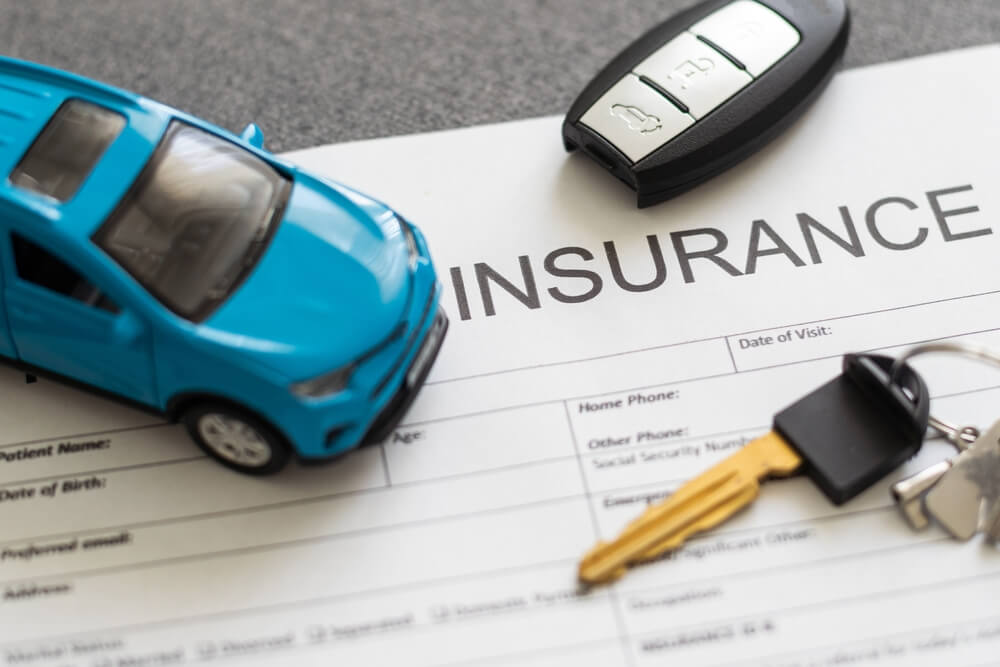
Understanding Oregon Car Insurance Requirements is not just a paperwork issue; it directly affects your financial protection and legal rights after a crash. Many Portland drivers assume their policy is enough until a serious collision exposes costly gaps. Oregon’s minimum insurance requirements make it illegal to drive without liability coverage. Under ORS 806.010 Motor Vehicle Financial Responsibility Law, drivers must carry bodily injury and property damage liability insurance of at least $25,000 per person, $50,000 per crash for bodily injury to others, and 20,000 per crash for damage to another person’s property. Drivers must also maintain valid proof of coverage at all times.
Navigating these rules after an accident often starts with guidance from a Portland car accident lawyer who understands how coverage decisions affect real claims. A clear understanding of state insurance obligations helps protect Portland drivers and their families, and that is a conversation we have daily at Paulson Coletti.
Contact Our Portland Personal Injury Lawyer
Oregon law establishes baseline insurance obligations for every registered driver. Liability insurance is mandatory and covers injuries or property damage to others in a collision. These requirements apply throughout Portland and across the state, regardless of how often a vehicle is driven or whether a driver has a clean record or prior accident history.
Drivers must be able to present valid proof of active coverage during traffic stops, after crashes, or during vehicle registration. Proof may be physical or electronic, as long as it is current and valid under Oregon standards.
Meeting Oregon’s minimum insurance limits satisfies legal requirements, but those amounts are often not enough to address the true financial impact of a serious crash. Hospital care, follow-up treatment, lost income, and ongoing recovery needs can add up quickly, leaving injured drivers exposed once policy limits are reached.
Under ORS 806.070 Motor Vehicle Liability Insurance, Oregon law sets minimum liability coverage requirements for bodily injury and property damage, but these minimums are intended for compliance, not to cover every potential loss after a major collision.
Bodily injury liability helps pay for medical expenses, lost wages, and related losses suffered by others after a crash. Property damage liability applies to repairs or replacement of another person’s vehicle or property. Personal Injury Protection (PIP) covers medical expenses and certain losses for the insured driver and passengers, regardless of fault.
PIP plays a central role in Oregon Car Insurance Requirements by ensuring injured people can access treatment quickly without waiting for liability decisions.
Coverage can extend to drivers you allow to use your car. Learn what a permissive user on a car insurance policy is.
Oregon uses a no-fault approach for initial medical care following a motor vehicle accident. PIP coverage is intended to reduce delays in treatment and provide immediate financial support during early recovery.
For many Portland residents, PIP benefits help manage medical bills and income disruption while longer-term insurance issues are resolved. This coverage can also assist with necessary follow-up care and short-term wage replacement, allowing injured individuals to focus on recovery instead of immediate financial pressure.
Driving without insurance in Oregon can lead to fines, license suspension, and vehicle impoundment. Beyond those penalties, uninsured drivers may face limitations when seeking compensation after a collision, even when another driver caused the crash.
These consequences often catch people off guard after an accident, underscoring the importance of understanding coverage obligations before getting behind the wheel. They can also complicate future insurance access and significantly increase long-term premium costs.
Protect your child’s recovery: Read Average Settlement for a Child in a Car Accident: What Can Affect the Value of a Claim? to learn how long-term health impact, insurance limits, and court approval shape a child’s injury settlement.
Do You Have a Portland Personal Injury Case? Contact Us Today
Minimum insurance limits may fall short when injuries require surgery, rehabilitation, or extended time away from work. In high-impact crashes, evaluating how liability coverage, PIP benefits, and uninsured or underinsured motorist coverage interact becomes essential.
Determining whether coverage is adequate often requires careful review of policy language and the specific losses involved, especially when injuries create long-term medical needs or lasting effects on earning capacity.
Insurance issues can quickly complicate recovery after a collision. When coverage disputes or insufficient limits create uncertainty, legal guidance can help clarify available options.
Our team at Paulson Coletti works with Portland clients to explain how insurance laws apply to their situation and how coverage choices affect financial recovery. For a direct conversation about your options, call 503-226-6361 today.
Paulson Coletti

This page has been written, edited, and fact-checked by our team of legal writers in accordance with our editorial guidelines. It has been approved by partners Jane Paulson and John Coletti—respected trial attorneys with decades of experience representing personal injury victims.
Key Takeaways You can request OEM parts at any point in the repair process, regardless of fault. Oregon’s ORS 746.287 limits insurers from requiring...
Key Takeaways No single average settlement exists because Oregon law often keeps minor settlement records private and sealed. Injury severity, age, the clarity of...
Blind spot accident statistics highlight an alarming trend affecting drivers throughout Portland and nationwide. While modern vehicles are becoming increasingly advanced, many crashes occur...

 (503) 226-6361