
call today for your free evaluation
call today for your free evaluation
Posted on March 23, 2026 written by Jane Paulson
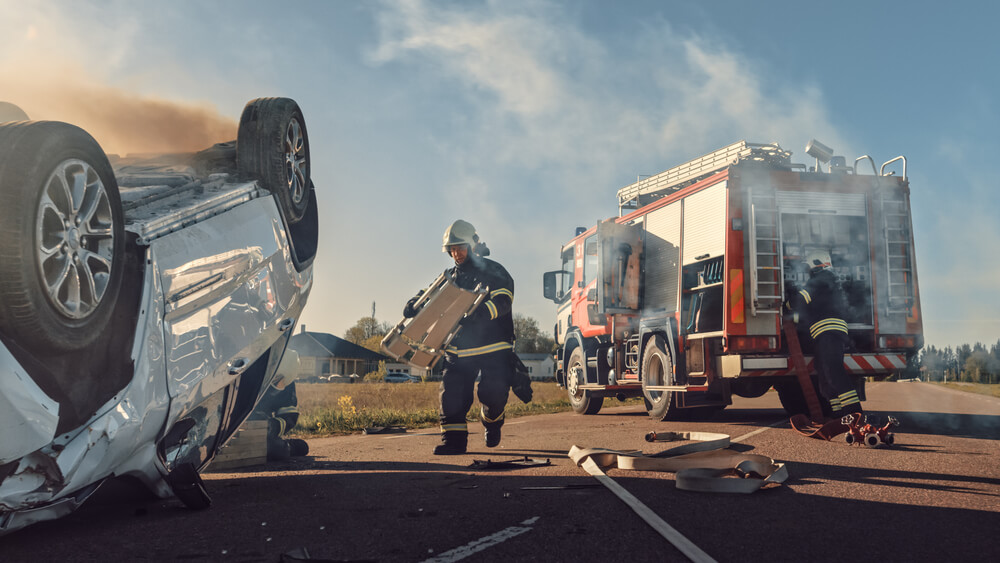
When families ask us what a catastrophic injury is, they are often confronting a moment that has fundamentally changed their health, independence, and future. For those seeking guidance from a Portland catastrophic injury lawyer, understanding both the medical reality and the legal implications is a necessary first step. At Paulson Coletti, we have witnessed how profoundly these injuries affect not only the individual who was harmed but also the family who must adapt alongside them.
A catastrophic injury is a severe, life-altering condition that results in lasting disability, significant functional limitation, or death. These injuries typically require extensive ongoing treatment and long-term support, often preventing a person from returning to work or maintaining prior independence. Common examples include traumatic brain injuries, spinal cord damage that leads to paralysis, amputations, and severe burn trauma. The consequences extend well beyond initial medical care and frequently influence every aspect of daily living.
Contact Our Portland Personal Injury Lawyer
Not every serious injury qualifies as catastrophic; the distinction depends on severity, permanence, and the long-term impact on a person’s ability to function.
In Portland and throughout Oregon, injuries often considered catastrophic include:
Each of these conditions can permanently alter a person’s life. The question of what a catastrophic injury is answered not just by medical terminology, but by the lifelong challenges that follow.
Many injuries improve with proper medical care and time. Catastrophic injuries are different because their effects are permanent and often progressive.
The defining factor is lasting impairment. These injuries frequently involve irreversible damage, substantial loss of bodily function, and the need for ongoing medical oversight. Returning to prior employment or independent living may no longer be possible.
When evaluating what constitutes a catastrophic injury, the focus is on permanence, long-term care needs, and the lasting financial impact, not simply the severity of the initial event.
A catastrophic injury often disrupts daily routines in ways that are difficult to foresee. Beyond the physical pain, victims often face emotional strain, anxiety about the future, and the loss of independence.
Medical care often includes surgeries, rehabilitation, medications, and adaptive equipment. In severe cases, long-term assistance or residential care may be necessary.
Financial consequences can include:
Families frequently carry these responsibilities while managing emotional strain and uncertainty about what lies ahead.
In Oregon injury cases, it is not enough to consider only current bills. Future medical expenses can be the most substantial component of a claim.
Under ORS 31.710 Noneconomic Damages, Oregon law outlines how certain damages are evaluated in civil actions. While economic damages such as medical costs and lost wages are recoverable based on documented loss, non-economic damages address pain, suffering, and diminished quality of life.
Projecting future care requires careful review of medical records, physician opinions, and life care planning. For someone with paralysis or a severe brain injury, anticipated expenses may extend for decades. Failing to account for these long-term needs can leave a family financially vulnerable.
Do You Have a Portland Personal Injury Case? Contact Us Today
In Portland and surrounding communities, these injuries commonly result from sudden, serious incidents that carry lasting consequences. The most frequent causes include:
Establishing liability requires demonstrating that another party’s negligence directly caused the injury through thorough investigation, professional analysis, and careful preservation of evidence.
Compensation in catastrophic injury cases typically includes:
Oregon follows a modified comparative fault system, meaning compensation may be reduced if the injured person is found partially responsible. A thorough investigation is essential to protect the full value of a claim.
When clients ask what a catastrophic injury is, they are often seeking to understand whether the seriousness and permanence of their condition support a claim for substantial compensation.
Catastrophic injury cases require careful preparation and a clear understanding of long-term financial impact. An attorney can help explain your rights and outline the steps you can take to protect your future.
At Paulson Coletti, we approach these cases with focus, preparation, and a commitment to protecting the future of the families we represent. Call 503-226-6361 to discuss your legal options and learn how we can help you move forward after a catastrophic injury.

This page has been written, edited, and fact-checked by our team of legal writers in accordance with our editorial guidelines. It has been approved by partners Jane Paulson and John Coletti—respected trial attorneys with decades of experience representing personal injury victims.
Key Takeaways Oregon electric scooter laws require riders to be at least 16 years old and wear a helmet. Scooters must stay off sidewalks...
Every personal injury case depends on one idea: someone failed to act with the care a reasonable person would have shown. Our Portland personal...
At Paulson Coletti, personal injury lawyers in Portland, we’ve seen how one careless act can change lives. We often hear clients ask, “How do...

 (503) 226-6361