call today for your free evaluation
call today for your free evaluation
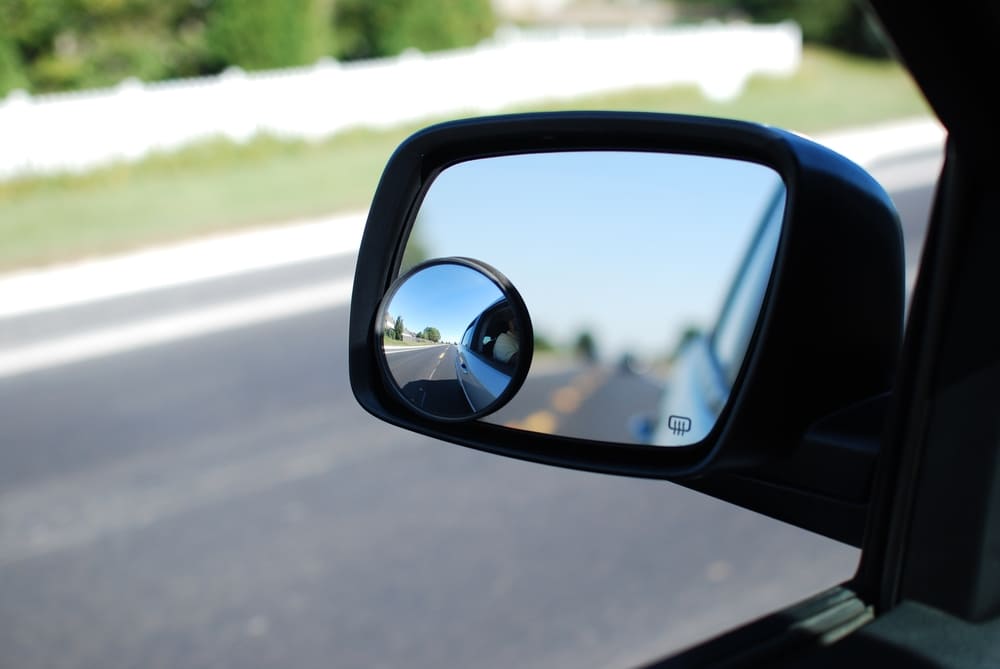
Blind spot accident statistics highlight an alarming trend affecting drivers throughout Portland and nationwide. While modern vehicles are becoming increasingly advanced, many crashes occur simply because a driver couldn’t see another car, cyclist, or pedestrian in their blind spot.
Blind spot accidents are a significant safety concern. Statistics indicate that over 840,000 such accidents occur annually in the US, resulting in around 300 deaths. These accidents frequently involve large trucks and buses, and a notable percentage are attributed to drivers failing to check their blind spots adequately. At Paulson Coletti, our Portland car accident lawyer team has seen firsthand how devastating these incidents can be, both physically and emotionally.
Injured in a Car Accident? We Can Help You Seek Compensation
Blind spots are the areas around a vehicle that are not visible to the driver through the rearview or side mirrors. Every car has them, regardless of size or design. These invisible zones become especially dangerous during lane changes, merges, or backing up, when a simple failure to see another road user can result in a serious accident.
For passenger cars, blind spots often sit along the rear sides, making it easy to miss a vehicle in the adjacent lane. For larger vehicles like commercial trucks and buses, blind spots are significantly bigger. In Portland’s dense traffic and urban settings, that visibility gap can be a recipe for disaster.
Understanding blind spots is not just about safety; it’s about responsibility. Drivers must adjust their mirrors properly, turn their heads before changing lanes, and remain aware of who and what is around them.
One of the most frequent blind spot-related crashes involves drivers changing lanes without seeing another vehicle in the next lane. These accidents can lead to high-speed sideswipes or force cars off the road.
According to the NHTSA, a lane departure warning system helps reduce these risks by monitoring lane markings and alerting the driver when the vehicle drifts. However, this technology only provides warnings; it doesn’t actively prevent collisions.
Merging onto highways or busy Portland roads often requires quick decision-making and full awareness of traffic in adjacent lanes. Blind spots make this more complicated.
Backing up is especially dangerous in areas with pedestrian traffic or small children. Rear blind spots can hide people or objects entirely.
The NHTSA notes that blind spot intervention systems can help. These systems detect vehicles in the blind spot and may apply braking or steering adjustments if a driver begins to maneuver unsafely.
Nationally, blind spot accidents represent a sizable portion of all motor vehicle crashes.
In Oregon, especially in urban areas like Portland, blind spot accidents are frequently reported. High-volume routes such as I-5 and Highway 26 see many incidents, often involving commercial vehicles or rideshare drivers.
Portland’s dense traffic and frequent rain contribute to poor visibility, making blind spot awareness crucial. State officials have emphasized driver education and promoted safety technologies to help address this growing issue.
Several groups face increased risk when it comes to blind spot collisions:
Understanding who is most affected helps drivers take additional precautions, especially in Portland’s active biking and walking community.
Contact Our Portland Car Accident Lawyer
Technology has evolved to address many causes of blind spot crashes, though it’s not a substitute for driver awareness.
Useful systems include:
While these systems can reduce crashes, they are most effective with good driving habits: turning your head before changing lanes, checking mirrors frequently, and slowing down in complex traffic environments.
After a blind spot-related crash, it’s essential to act quickly and deliberately:
Oregon follows a comparative negligence system, which means your level of fault could impact the compensation you’re eligible for. Preserving evidence from the start is critical.
If a blind spot accident caused you harm or resulted in costly vehicle damage, consulting an attorney may be in your best interest. At Paulson Coletti, we help individuals throughout Portland who were injured by negligent drivers. This includes evaluating the facts, working with medical providers, and building strong cases for compensation.
Blind spot crashes can be complex, especially when fault is disputed or commercial drivers are involved. Legal guidance ensures your rights are protected while you focus on healing. Call 503-226-6361 today to talk with a team that understands your challenges and is ready to help.

This page has been written, edited, and fact-checked by our team of legal writers in accordance with our editorial guidelines. It has been approved by partners Jane Paulson and John Coletti—respected trial attorneys with decades of experience representing personal injury victims.
Key Takeaways You can request OEM parts at any point in the repair process, regardless of fault. Oregon’s ORS 746.287 limits insurers from requiring...
Key Takeaways No single average settlement exists because Oregon law often keeps minor settlement records private and sealed. Injury severity, age, the clarity of...
Key Takeaways Oregon PIP usually covers a passenger’s medical bills and lost wages, no matter who caused the crash. The driver’s insurance is often...

 (503) 226-6361