
call today for your free evaluation
call today for your free evaluation
Posted on June 18, 2025 written by Jane Paulson
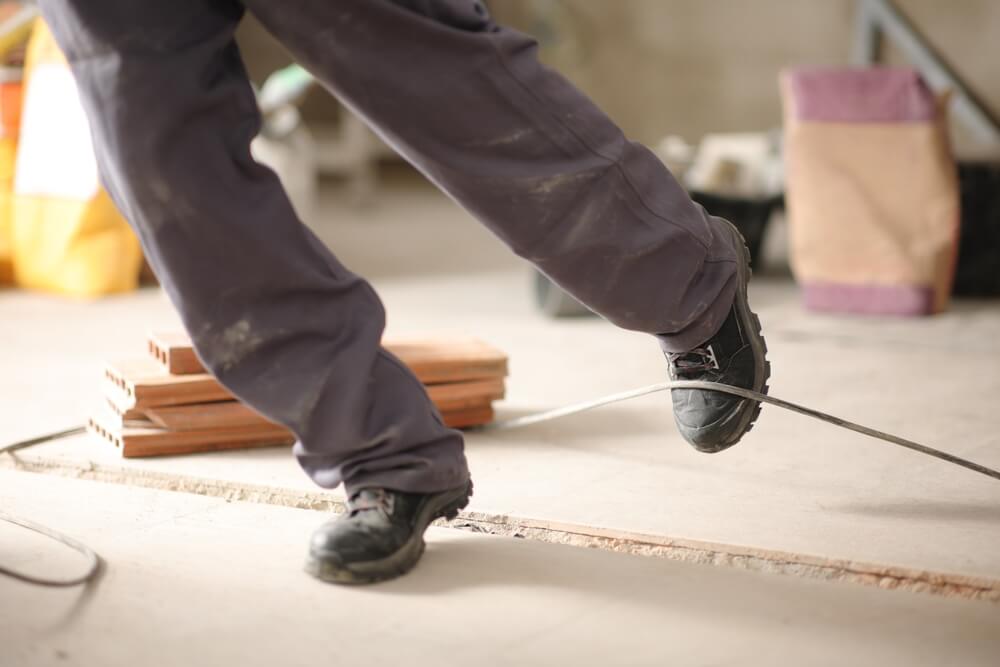
What type of accident kills the most construction site workers? Falls are the deadliest accidents on construction sites. Year after year, the Occupational Safety and Health Administration (OSHA) ranks them as the top cause of fatalities in the construction industry. These deaths often stem from things that should’ve been prevented—missing guardrails, unstable ladders, or poor safety enforcement. At Paulson Coletti, we’ve seen firsthand how devastating these accidents can be for workers and their families across Oregon. When you need guidance, a trusted Portland construction accident lawyer from our team can help you pursue the justice and compensation you deserve.
Contact Our Portland Construction Accident Lawyer
Falls from height—including roofs, scaffolding, ladders, and unguarded platforms—are the deadliest construction-related incidents nationwide. They account for roughly one-third of all job site fatalities. This isn’t just a national issue—it’s local too. Oregon OSHA’s “Construction Depot” publication notes that fall hazards remain a significant cause of construction deaths in Oregon workplaces. Whether a worker installs a framework or inspects a roof, fall protection should never be optional. Unfortunately, not all employers treat safety as a priority, which is why fatalities from falls persist. If you want to understand more about the hazards of working at height, including which factors cause most accidents on scaffolds, we have a detailed guide that can help.
Beyond falls, OSHA identifies the “Fatal Four”—a group of accident types responsible for the majority of construction worker deaths. These include:
Falls are the most common fatal accident on construction sites. Workers often lack proper harnesses, guardrails, or training. Even a fall from a relatively low height can result in catastrophic injuries or death. Despite clear regulations, many construction companies cut corners or assume workers are experienced enough to protect themselves, leading to avoidable tragedies.
“Struck-by” incidents occur when falling tools, materials, or vehicles hit a worker. These accidents frequently happen in environments where overhead work is being done or heavy machinery is operated. A misstep, such as unsecured equipment or an unmarked moving vehicle, can be fatal.
Construction sites have electrical hazards, including exposed wires, wet conditions, and high-voltage lines. Electrocutions are particularly deadly because they often give no second chances. Improper grounding, untrained personnel, and absent signage contribute to the risks.
These accidents occur when a worker becomes trapped between machinery, materials, or collapsed structures. They are especially dangerous in excavation or demolition work, where unstable environments increase the risk. According to Oregon OSHA, these incidents often stem from ignoring trenching and excavation safety rules.
Not all construction roles carry equal risk. Ironworkers, roofers, and steel erectors face elevated dangers due to frequent exposure to heights. Workers in demolition, excavation, and road construction often operate in chaotic, fast-paced environments where safety oversight is limited. Urban sites in cities like Portland come with added complications, including tight spaces, pedestrian traffic, and overlapping crews from different subcontractors. These variables increase the chance of error or negligence, especially if employers don’t maintain strict oversight.
Employers play a critical role in protecting construction workers from life-threatening hazards. To prevent fatalities, companies should implement and enforce the following:
Unfortunately, not all construction companies take these steps seriously. When they don’t, the consequences can be fatal—and completely avoidable. In those situations, it’s crucial to understand how a construction injury lawyer can help you pursue justice and hold negligent employers accountable.
Please read: What Is Defective Equipment in a Construction Accident Case?
Contact Our Portland Construction Accident Lawyer
Contact Our Portland Construction Accident Lawyer
Every construction company has a legal obligation to protect its workers. Under OSHA law, they must assess job site hazards, provide PPE, ensure fall prevention, and train employees on job-specific risks. Daily inspections and tailored safety plans—especially for dangerous tasks like trenching or working at height—are part of the deal.
But here’s the hard truth: too many employers skip those steps. They rush jobs, ignore standards, and put their teams at risk. That’s not just careless—it’s illegal. The Occupational Safety and Health Act exists for a reason, and in Oregon, state authorities back those rules up with inspections and enforcement. When a company fails to act, and someone gets hurt, the law is clear—they’re accountable.
We at Paulson Coletti stand shoulder to shoulder with injured workers and grieving families across Oregon. We go after those who cut safety for profit and fight to make sure our clients are heard. Call us today to speak with a Portland construction accident attorney. Your consultation is free, and we only get paid if we recover compensation on your behalf.

This page has been written, edited, and fact-checked by our team of legal writers in accordance with our editorial guidelines. It has been approved by partners Jane Paulson and John Coletti—respected trial attorneys with decades of experience representing personal injury victims.
Key Takeaways Workers’ compensation does not cover all losses; third-party claims can recover pain, suffering, and full damages. Subcontractors, property owners, and equipment manufacturers...
Key Takeaways Construction accident liability in Oregon can fall on multiple parties, not just the direct employer. Construction companies must maintain safe job sites...
Key Takeaways Falls from height are the leading cause of construction fatalities, accounting for roughly 35% to 40% of all industry deaths. OSHA’s “Fatal...

 (503) 226-6361