
call today for your free evaluation
call today for your free evaluation
Posted on February 27, 2026 written by Jane Paulson
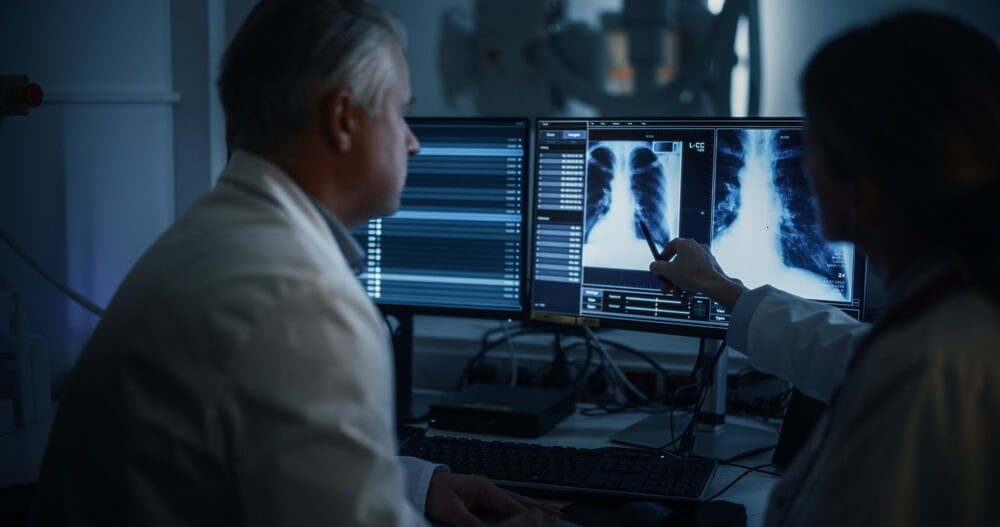
Medical imaging is fundamental to identifying illness, guiding care, and influencing long-term outcomes. When radiology mistakes happen, the impact on patients and families can be significant, affecting health, financial stability, and confidence in medical decision-making. The 5 most common errors in radiology are well-documented in the medical field and are a frequent cause of delayed diagnoses, inappropriate treatment, and missed opportunities for early care.
These failures typically stem from missed findings, premature conclusions, flawed interpretation, communication breakdowns, and technical shortcomings, with under-reading and reporting failures most often linked to serious harm. Understanding how and why these errors occur is critical for individuals seeking accountability after diagnostic injury, including those looking for guidance from a Portland medical malpractice lawyer. At Paulson Coletti, we have seen how preventable radiology errors can alter a person’s life.
Speak to a Portland Medical Malpractice Lawyer for Assistance Today
Missed findings, often called under-reading, occur when a radiologist fails to identify an abnormality visible on an imaging study. These oversights can involve tumors, fractures, internal bleeding, or early signs of disease that require prompt attention. Even subtle findings may carry serious implications when left unrecognized. Small lesions, early inflammatory changes, or faint fractures can progress quickly when overlooked, turning what may have been a manageable condition into a far more complex medical issue.
Radiologists interpret high volumes of imaging studies under time pressure, which can increase the risk of missing critical details. Visual fatigue, distractions, and complex imaging presentations all contribute to these mistakes. In many cases, the abnormality was present and detectable, yet not identified in the final report.
According to the American College of Radiology, underreading remains one of the most common contributors to diagnostic error in imaging, particularly when studies are complex or symptoms are nonspecific. When these failures occur, patients may lose valuable time that could have changed the course of their treatment.
Even when abnormalities are detected, errors can still arise through incorrect interpretation. Radiology requires clinical judgment, experience, and context. Misinterpreting what an imaging finding represents can lead to the wrong diagnosis or unnecessary procedures.
Radiologists must distinguish between benign variations and signs of disease. Certain conditions share overlapping imaging characteristics, increasing the likelihood of faulty reasoning. Cognitive bias can also influence interpretation, particularly when early assumptions shape how findings are viewed. This can narrow clinical focus and increase the risk of misinterpretation.
Small variations in tissue density, contrast enhancement, or anatomical positioning may significantly alter diagnostic meaning. When these distinctions are overlooked or misunderstood, a serious condition may be dismissed as harmless or attributed to the wrong cause.
The Radiological Society of North America highlights how cognitive bias affects diagnostic accuracy, particularly when radiologists prematurely settle on an explanation without fully evaluating alternative possibilities. These errors reinforce the idea that interpretive judgment can become a critical failure point in radiology.
Technical problems during imaging studies can compromise diagnostic reliability before interpretation even begins. Poor image quality may result from improper patient positioning, inadequate preparation, equipment malfunction, or incorrect imaging protocols.
When images lack clarity or proper angles, important findings may be obscured or distorted. In some cases, the study must be repeated, delaying diagnosis and exposing patients to additional radiation. In other situations, poor-quality images are interpreted anyway, increasing the risk of inaccurate conclusions.
Technical errors may also involve selecting the wrong imaging modality for a patient’s symptoms. Using an inappropriate test can fail to capture the information necessary for accurate diagnosis, particularly when advanced imaging is indicated. This can delay referrals, prolong symptoms, and complicate future treatment decisions. In clinical practice, these technical lapses may also affect how confidently physicians rely on imaging results when determining next steps in care.
Speak to a Portland Medical Malpractice Lawyer for Assistance Today
Speak to a Portland Medical Malpractice Lawyer for Assistance Today
Radiology does not exist in isolation. Imaging results must be communicated clearly and promptly to referring physicians. Breakdowns often occur when abnormal findings are not emphasized, reports are delayed, or critical results are not directly conveyed. Some imaging findings require immediate follow-up, yet a routine written report may not communicate urgency.
When that happens, referring providers may not recognize the seriousness of the results or miss them entirely, increasing the risk of preventable harm from diagnostic imaging. When timely follow-up is not provided, serious conditions may progress without intervention, leaving patients without clear answers and delaying access to appropriate treatment.
Evaluate your medical malpractice options: Read Spinal Cord Injuries Resulting from Neurosurgery: Do You Have a Claim? to learn how to identify surgical negligence, determine liability, and pursue compensation for lasting damages.
Even when radiology reports correctly identify abnormalities, harm can still occur if appropriate follow-up does not happen. Failure to track abnormal results, schedule additional testing, or refer patients for further evaluation represents another major category within the 5 most common errors in radiology.
Follow-up responsibilities may fall on multiple providers, increasing the risk of miscommunication or the assumption that someone else will act. Patients are often unaware of abnormal findings or the need for further care, leaving critical gaps in treatment and increasing emotional stress for both patients and their families.
Delayed follow-up can turn manageable conditions into life-threatening ones. Missed cancer diagnoses, untreated infections, and progressive neurological injuries often stem from breakdowns in post-imaging coordination.
Radiology mistakes are rarely isolated incidents. They often reflect system-wide gaps that place patients at risk of serious harm. When imaging errors cause injury, Oregon law may allow affected individuals to pursue compensation for medical costs, lost income, and future consequences stemming from a delayed or incorrect diagnosis.
Holding healthcare providers accountable requires careful review of imaging studies, medical records, and communication timelines. At Paulson Coletti, we approach these cases with attention to detail and a commitment to patient advocacy. If you or a loved one suffered harm due to a diagnostic imaging mistake, speaking with a trusted legal team can help clarify your options.
Call 503-226-6361 to discuss your situation with Paulson Coletti today.
[user-contact id=”2″]

This page has been written, edited, and fact-checked by our team of legal writers in accordance with our editorial guidelines. It has been approved by partners Jane Paulson and John Coletti—respected trial attorneys with decades of experience representing personal injury victims.
Key Takeaways A missed or delayed colorectal cancer diagnosis can be medical malpractice if negligence caused it. Doctors sometimes mistake early symptoms for hemorrhoids...
Key Takeaways Spinal cord injuries during neurosurgery are rare but can cause permanent paralysis or nerve damage. Wrong-level surgery, failed fusion, and misdiagnosis are...
Key Takeaways Surgical errors remain a common, though often underreported, cause of preventable patient harm in Oregon hospitals. Wrong-site surgery and retained surgical items...

 (503) 226-6361