call today for your free evaluation
call today for your free evaluation
Posted on February 6, 2026 written by Jane Paulson
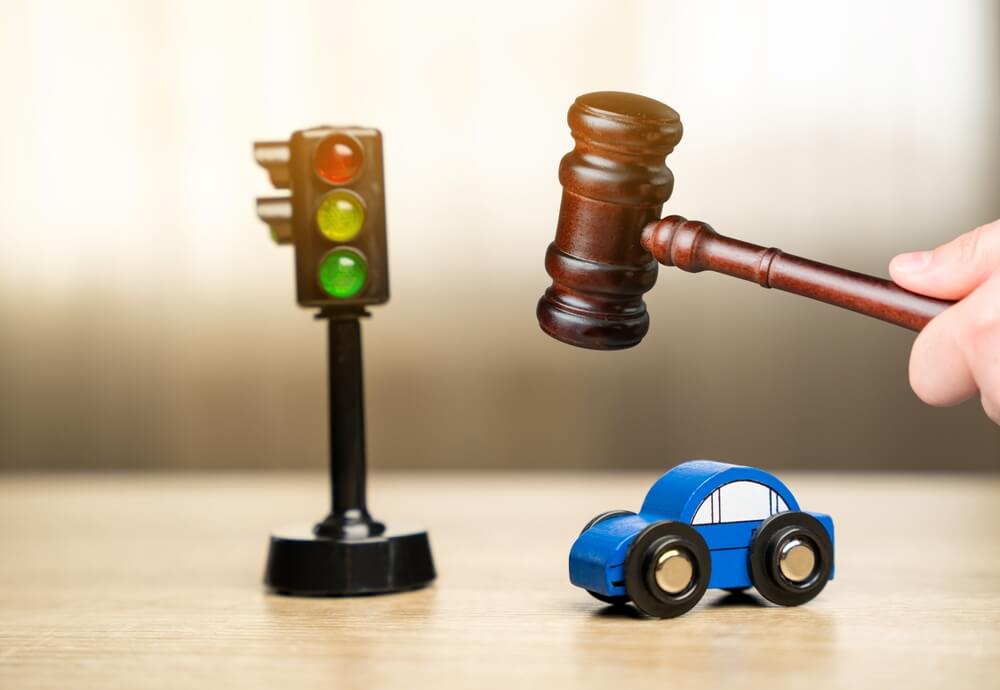
A serious collision at an intersection can change everything in seconds. When clients ask us about a running red light accident, who’s at fault? They are often dealing with pain, financial stress, and unanswered questions about responsibility. In many red-light crashes, the driver who entered the intersection against a red signal is generally considered at fault for violating traffic laws, but liability is not absolute and may be shared if another driver contributed through actions such as speeding, distraction, or failing to react reasonably. Determining responsibility depends on evidence, including traffic camera footage, witness statements, police reports, and accident reconstruction, which can clarify whether the red light violation caused the crash or whether other factors, such as limited visibility, also played a role.
Understanding how fault is determined matters when injuries disrupt daily life and legal rights come into focus, especially when working with a Portland car accident lawyer who understands local roads and traffic patterns. At Paulson Coletti, we address these issues with care and clarity, helping injured people understand how Oregon law applies to their situation.
In Oregon, traffic signals carry legal authority, and drivers are expected to obey them at all times. When someone runs a red light, that act is typically considered negligent because it violates established traffic rules. In many cases, this makes the red light runner primarily responsible for the crash and resulting injuries.
That said, fault is not automatically assigned in every case. Oregon law considers how each person involved acted before the collision. While running a red light is a strong indicator of negligence, investigators still examine whether the other driver acted reasonably under the circumstances. This is why the question of who is at fault in a red-light running accident requires careful review rather than assumptions.
Intersections are complex, fast-moving environments. While red light violations are serious, certain scenarios create gray areas where fault may be shared or disputed. These cases often involve timing, driver perception, and unexpected roadway conditions.
Left-turn collisions are among the most commonly contested red-light cases. A driver turning left on a yellow light may believe it is safe to proceed, while an oncoming driver may argue the signal had already turned red. Disputes also arise when drivers claim the light changed unexpectedly or that another vehicle entered the intersection late.
In these situations, determining fault often depends on signal timing data, intersection design, and whether each driver had a reasonable opportunity to stop. Even when one party claims they had the right of way, evidence may show shared responsibility rather than clear fault.
Oregon follows a modified comparative negligence system. This means an injured person can pursue compensation as long as they are not more than 50 percent responsible for the accident. However, any recovery is reduced by the percentage of fault assigned to them.
Under Oregon law, drivers are required to obey traffic control devices at intersections, and violations can establish negligence in a crash, as set out in ORS 811. When a fault is divided, understanding how comparative negligence applies becomes critical to evaluating potential compensation.
In practice, this rule often turns on everyday details. A driver with a green light may still be found at fault if they were speeding, distracted, or entered late on a yellow. Likewise, signal timing data and roadway measurements may show whether another driver had enough distance to stop safely. These factors help determine who is at fault in a running red light accident in a way that reflects what occurred at the intersection.
Strong evidence often determines who is at fault in a red light collision. Insurance carriers and courts rely on objective information rather than statements alone. Some of the most influential forms of evidence include:
This evidence can clarify whether a driver truly ran a red light or whether another contributing factor changed the outcome.
Yes. Even when the fault is disputed, injured individuals may still recover damages under Oregon law. Medical expenses, lost income, reduced earning capacity, and non-economic losses can all be part of a claim, depending on the facts of the case.
When responsibility is shared, compensation reflects each party’s percentage of fault. This framework is governed by Oregon’s comparative fault statute, ORS 31.600, which explains how damages are reduced based on a person’s share of responsibility. This is another reason why accurately establishing what happened at the intersection matters. A thorough legal evaluation can uncover details that shift fault and protect an injured person’s right to recovery.
Fault disputes also affect how damages are presented. Clear medical documentation, consistent treatment, and careful notes about how injuries limit work, family responsibilities, and daily routines can support a more accurate picture of what the crash has cost. When symptoms linger, future care estimates and time missed from employment matter just as much as the initial emergency room bill. These details often make the difference between a rushed settlement and a result that reflects the full impact of the collision.
When a red light crash causes injuries, the path forward can feel uncertain. Understanding liability, gathering evidence, and navigating Oregon’s negligence rules requires focused legal guidance. At Paulson Coletti, we work directly with injured clients to evaluate their case, explain their options, and pursue accountability under the law. If a red light collision has affected your health or livelihood, speaking with our team can provide clarity and direction.
Contact us at 503-226-6361 to discuss your situation and learn how we may assist you moving forward.

This page has been written, edited, and fact-checked by our team of legal writers in accordance with our editorial guidelines. It has been approved by partners Jane Paulson and John Coletti—respected trial attorneys with decades of experience representing personal injury victims.
Key Takeaways You can request OEM parts at any point in the repair process, regardless of fault. Oregon’s ORS 746.287 limits insurers from requiring...
Key Takeaways No single average settlement exists because Oregon law often keeps minor settlement records private and sealed. Injury severity, age, the clarity of...
Blind spot accident statistics highlight an alarming trend affecting drivers throughout Portland and nationwide. While modern vehicles are becoming increasingly advanced, many crashes occur...

 (503) 226-6361