
call today for your free evaluation
call today for your free evaluation
Posted on May 15, 2025 written by Jane Paulson
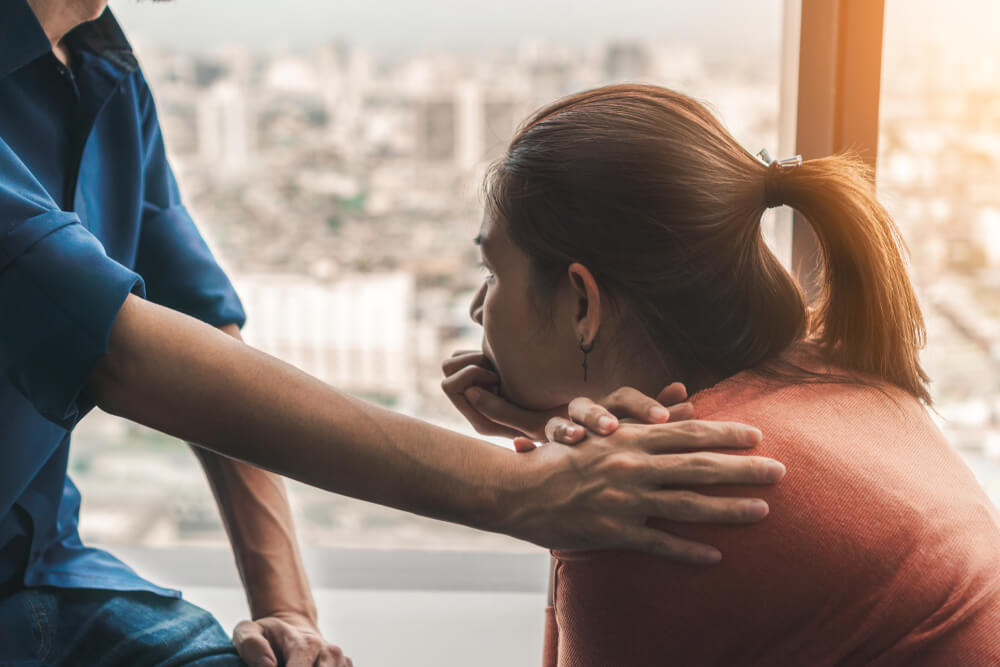
Recovering from a car accident can be tough, especially when emotional scars remain. Driving PTSD symptoms are a serious concern that may arise after a traumatic crash, causing intrusive thoughts, avoidance, mood changes, and heightened anxiety. Common signs include flashbacks, nightmares, emotional numbness, and physical reactions like a racing heart.
At Paulson Coletti, we’re here to help. Recognizing these symptoms is the first step toward finding support and treatment. As experienced Portland car accident lawyers, we understand how this condition can impact daily life. This blog will explore the condition, its effects, and resources to help you heal. You’re not alone.
Injured in a Car Accident? We Can Help You Seek Compensation
Driving-related PTSD refers to the psychological symptoms that develop after experiencing a traumatic event like a serious car accident. According to the University of New Hampshire, PTSD arises when the brain struggles to process the event, leaving individuals feeling stressed and on high alert even when no danger is present. Flashbacks of the event, nightmares, and triggers associated with driving are common.
Symptoms can range from mild to severe, profoundly affecting daily life. Understanding what driving-related PTSD involves is the first step toward recovery.
Driving-related PTSD symptoms can manifest in several ways, impacting both mental and physical well-being. Attention to these signs is essential to determine if you or someone you know might need help.
According to the AAFP, these symptoms may vary in intensity but often disrupt a person’s ability to perform daily tasks. Some symptoms even appear months after the traumatic event.
Driving-related PTSD doesn’t just affect your emotional and physical well-being; it also impacts your quality of life and ability to return to regular routines. This condition can overwhelm everyday tasks like commuting, shopping, or attending social activities. It may also hinder professional responsibilities and strain personal relationships.
Victims may:
An extreme fear of driving can become isolating if left unaddressed. Understanding the possible impact encourages individuals to seek help and move toward recovery.
If you suspect you have driving-related PTSD, reaching out for professional help is essential. Therapy and other treatments can help ease symptoms and guide you toward healing. Here are some proven approaches:
Consulting a medical professional when symptoms appear is a crucial first step. Early intervention minimizes the risks of symptoms worsening over time.
If your PTSD was caused by a car accident that was caused by someone else, then you may have legal recourse to seek compensation. State law in Oregon allows accident victims to gain compensation for doctor’s bills, therapy charges, lost wages, and emotional distress. Compensation for PTSD symptoms generally involves determining the contribution of the accident to your psychological suffering.
A skilled legal team can:
If you’re unsure of your rights or how to proceed, consulting a law firm experienced in accident-related cases can clarify your next steps.
Dealing with driving PTSD symptoms after a car accident doesn’t have to be a struggle you face alone. Professional treatment and the right support system can make recovery a reality. If PTSD is holding you back, contacting Paulson Coletti can connect you with resources and explore legal avenues for seeking compensation. Call us today at 503-226-6361 to discuss how we can help.

This page has been written, edited, and fact-checked by our team of legal writers in accordance with our editorial guidelines. It has been approved by partners Jane Paulson and John Coletti—respected trial attorneys with decades of experience representing personal injury victims.
Key Takeaways Electric vehicles are not inherently more dangerous and often receive strong crash safety ratings. Their design, including larger crumple zones and reinforced...
Key Takeaways Prioritize safety by checking for injuries and, if possible, moving vehicles out of traffic. Call 911 promptly to secure medical help and...
Key Takeaways Oregon law bans holding or using a phone while driving, even at a red light. A violation can occur with texting, browsing,...

 (503) 226-6361