
call today for your free evaluation
call today for your free evaluation
Posted on August 3, 2026 written by Jane Paulson
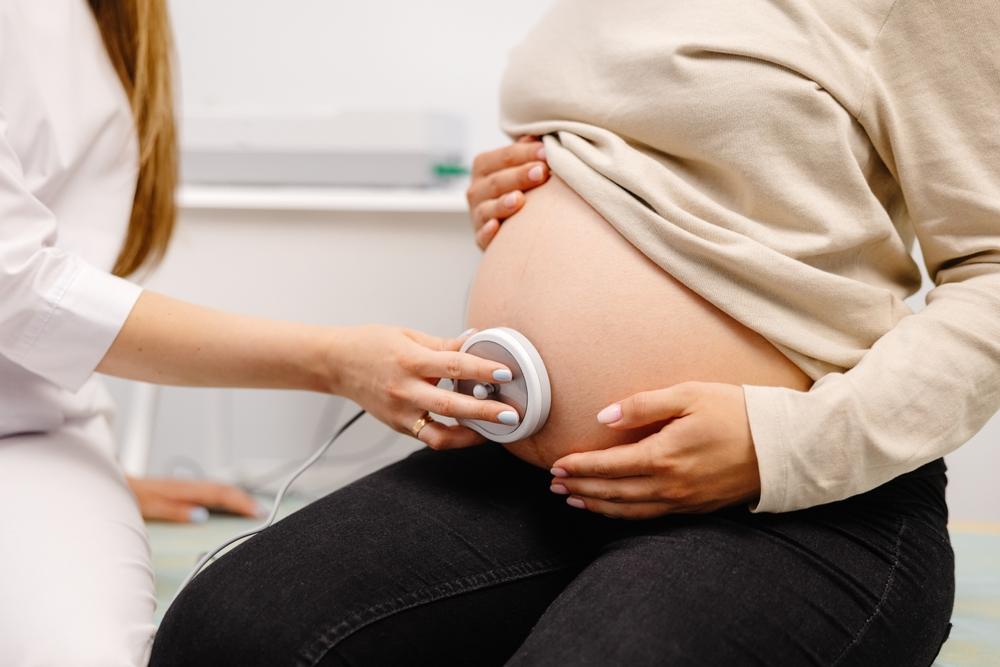
A pregnancy that seems healthy one week can become an emergency the next, and recognizing the signs of fetal distress often determines whether a delivery ends safely or in permanent harm. Most warning signs point to insufficient oxygen reaching the baby, including a sudden drop in movement, an abnormal heart rate pattern, severe cramping, and vaginal bleeding. Expectant parents in Portland, Oregon, are not always told what symptoms warrant an urgent call to their provider, and hospitals sometimes miss these warnings during labor and delivery. When a physician or nurse fails to act on clear evidence that a baby is struggling, a Portland birth injury lawyer can help.
At Paulson Coletti Trial Attorneys, we work with Oregon families whose children were harmed when fetal distress went unrecognized or unaddressed.
Contact Our Portland Birth Injury Lawyer
Fetal distress rarely announces itself with a single, unmistakable symptom. Instead, it tends to surface through a pattern, a heart rate that will not stabilize, movement that slows for no clear reason, or fluid that changes color once labor begins. Some signs appear gradually over the final weeks of pregnancy, while others emerge suddenly during active labor and require an immediate response.
According to the ClinPGx fetal distress disease summary, the condition is generally understood as a clinical sign of underlying oxygen compromise rather than a diagnosis on its own. A single symptom may mean little, but two or more warning signs together call for close monitoring and a fast decision rather than a wait-and-see approach.
A fetal heart rate that is too fast, too slow, or unable to recover after a contraction is one of the most common signs of fetal distress. A normal baseline typically falls between 110 and 160 beats per minute, and providers watch for readings outside that range through continuous monitoring during labor.
A heart rate that drops and stays low, rather than returning to baseline within a reasonable window after a contraction, often means the placenta is no longer delivering enough oxygen. When monitoring strips show this kind of prolonged deceleration, the standard of care typically calls for swift action, such as repositioning the mother or moving toward an emergency delivery, rather than continued observation.
Babies naturally have quieter and more active periods in the womb, so occasional stillness is not automatically alarming. A marked, sustained drop in movement is different, and it is one of the earliest signs a baby may be running low on oxygen. When a mother notices far less kicking than usual, providers should investigate promptly rather than reassure her and wait.
A nonstress test measures how the fetal heart rate responds to movement. The rate should rise briefly during movement and settle back to baseline shortly afterward. A flat or unresponsive result often warrants closer monitoring or an expedited delivery plan.
Amniotic fluid that turns green or brown indicates the presence of meconium, the baby’s first bowel movement, released early because of stress in the womb. According to StatPearls on NCBI Bookshelf, meconium-stained fluid appears in roughly 12 to 20 percent of deliveries and is closely associated with fetal hypoxia, placental insufficiency, and related complications. When meconium is present, a neonatal resuscitation team should be ready at delivery in case the baby inhales the stained fluid.
Heavy or sudden vaginal bleeding during labor can point to placental abruption or the rare but dangerous vasa previa, both of which cut off the baby’s oxygen supply quickly and require emergency action. Any of these signs, alone or combined with heart rate changes, calls for prompt evaluation.
Several underlying conditions can restrict the flow of oxygen and blood to a developing baby before or during delivery, including:
Each of these conditions requires attentive monitoring, and providers are expected to recognize the warning signs and respond before serious harm develops.
Important information about Skeletal Injuries Due to Excessive Traction During Delivery
When a provider recognizes the signs of fetal distress but delays ordering an emergency cesarean or another necessary intervention, the consequences can be severe and permanent. Extended oxygen deprivation is closely linked to hypoxic ischemic encephalopathy and cerebral palsy, conditions that often require a lifetime of specialized medical care, therapy, and support.
Oregon law allows families to pursue a medical malpractice claim when a provider’s delay or failure to act falls below the accepted standard of care and directly causes injury to the child. Establishing that claim typically requires review of fetal monitoring records, delivery timelines, and qualified medical testimony.
Understand delivery risk factors: Read Breech Birth Complications and the Risk of Birth Injuries to learn how feet-first or buttocks-first presentation increases risks of cord prolapse, head entrapment, and nerve damage during delivery.
No family should have to face a lifelong injury because a hospital ignored clear warning signs during pregnancy or labor. If your child was harmed after a delayed response to signs of fetal distress, Paulson Coletti Trial Attorneys can help you understand what happened and what compensation may be available.
Call (503) 226-6361 to speak with a Portland birth injury lawyer and discuss your family’s options during a free consultation.
At Paulson Coletti, a local firm based in Oregon, justice is our mission. As experienced trial attorneys, we fight for injury victims across Oregon and Washington, holding negligent parties accountable. With a proven track record in and out of the courtroom, we are dedicated to securing fair compensation for our clients. We take a client-centered approach, focusing on cases we believe in and delivering results that matter. No fees unless we win-because justice should never come with financial risk.
Paulson Coletti
Trial Attorneys PC

This page has been written, edited, and fact-checked by our team of legal writers in accordance with our editorial guidelines. It has been approved by partners Jane Paulson and John Coletti—respected trial attorneys with decades of experience representing personal injury victims.
Key Takeaways Newborns needing help breathing require quick, correctly staged intervention, from basic support to chest compressions or intubation. Common errors include equipment defects,...
Key Takeaways A breech delivery can turn a routine birth into a medical emergency within minutes. Severity often depends on whether delivery happens vaginally...
Pregnancy does not follow a single path, and understanding what risk factors in pregnancy are is often key to protecting both maternal health and...

 (503) 226-6361