
call today for your free evaluation
call today for your free evaluation
Posted on July 17, 2025 written by Jane Paulson
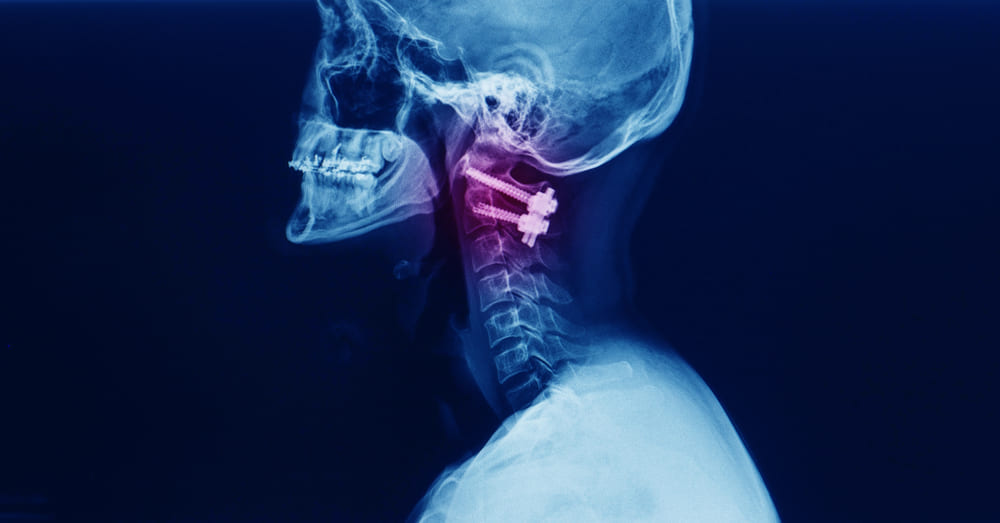
When cervical fusion surgery does not achieve the intended outcome, patients are often left with increased pain, uncertainty, and complex medical challenges. Recognizing the symptoms of failed cervical fusion is critical, particularly for individuals who may have been harmed by substandard medical care.
At Paulson Coletti Trial Attorneys PC, we understand that these complications go beyond physical suffering and often result in serious legal implications—something our Portland medical malpractice lawyer team is prepared to help you navigate.
Speak to a Portland Medical Malpractice Lawyer for Assistance Today
Cervical fusion is a surgical procedure used to stabilize the neck by joining two or more vertebrae in the cervical spine. It’s often performed to relieve pain caused by spinal instability, herniated discs, or degenerative conditions.
In some cases, cervical spine surgery is performed from the front of the neck. This method, known as anterior diskectomy and fusion, involves removing a damaged disc, placing a bone graft in its place, and stabilizing the area with plates and screws. According to the Mayo Clinic, this approach is common when dealing with degenerative disc disease or trauma.
A failed cervical fusion means the bones in the neck did not heal and fuse as intended, resulting in persistent or worsened symptoms. This failure can cause new health issues and leave patients in a cycle of repeated treatments and growing frustration.
Failure may be evident on imaging scans like X-rays or MRIs, but symptoms often speak louder than pictures. When the fusion fails, patients usually experience increased discomfort, reduced stability, and a return or worsening of their original issues.
When a cervical fusion fails, patients may develop a range of complications, including persistent or worsening neck pain, limited movement, and neurological symptoms like tingling, numbness, or weakness in the arms and hands. Some also report radiating pain, muscle spasms, headaches, or discomfort in the jaw and face. These issues typically arise when the vertebrae fail to fuse correctly, leading to spinal instability, compressed nerves, or altered spinal alignment.
These symptoms may appear soon after surgery or develop slowly over time. Patients should pay attention to:
These issues not only disrupt daily life but may also point to more serious complications like nerve damage or implant failure.
Speak to a Portland Medical Malpractice Lawyer for Assistance Today
Speak to a Portland Medical Malpractice Lawyer for Assistance Today
Several medical and surgical factors can contribute to the failure of a cervical fusion. Numerous factors affecting fusion are directly controllable by the spine surgeon. These include choice of bone graft, location of fusion site, graft site preparation, number of fusion levels, construct design, and biological modifiers. All of these factors should be taken into account in the formation and implementation of a surgical plan. The goal is to optimize patient outcomes by providing the highest chance of successful arthrodesis with the least surgical risk, as explained in PubMed Central.
Surgeon error, lack of informed consent, and substandard follow-up care may all indicate medical malpractice. Other common causes include:
If you’re experiencing severe or worsening pain, weakness, numbness, or loss of function after cervical fusion, seek medical attention immediately. While some post-operative discomfort is normal, persistent or escalating symptoms should never be ignored.
Red flags include:
Don’t wait for symptoms to become unbearable. Prompt evaluation can prevent long-term complications and provide a record if legal action becomes necessary.
In Oregon, if a surgeon’s negligence during cervical fusion caused harm, legal recourse may be available under medical malpractice law.
Compensation may include costs for corrective procedures, lost income, and the pain resulting from the failed surgery.
Time is limited. The Oregon Revised Statutes (ORS) 12.110(4) imposes a two-year window from when the injury is discovered. Missing this deadline can permanently bar your claim.
A failed cervical fusion not only affects your health, but it can also turn your life upside down. If you suspect your surgical outcome resulted from negligence, you deserve answers and strong legal support. Paulson Coletti Trial Attorneys PC will help you understand your rights and hold negligent parties accountable.
Call us today at 503-226-6361 to schedule a confidential consultation with a Portland attorney who handles complex medical malpractice claims.

This page has been written, edited, and fact-checked by our team of legal writers in accordance with our editorial guidelines. It has been approved by partners Jane Paulson and John Coletti—respected trial attorneys with decades of experience representing personal injury victims.
Key Takeaways A missed or delayed colorectal cancer diagnosis can be medical malpractice if negligence caused it. Doctors sometimes mistake early symptoms for hemorrhoids...
Key Takeaways Spinal cord injuries during neurosurgery are rare but can cause permanent paralysis or nerve damage. Wrong-level surgery, failed fusion, and misdiagnosis are...
Key Takeaways Surgical errors remain a common, though often underreported, cause of preventable patient harm in Oregon hospitals. Wrong-site surgery and retained surgical items...

 (503) 226-6361