
call today for your free evaluation
call today for your free evaluation
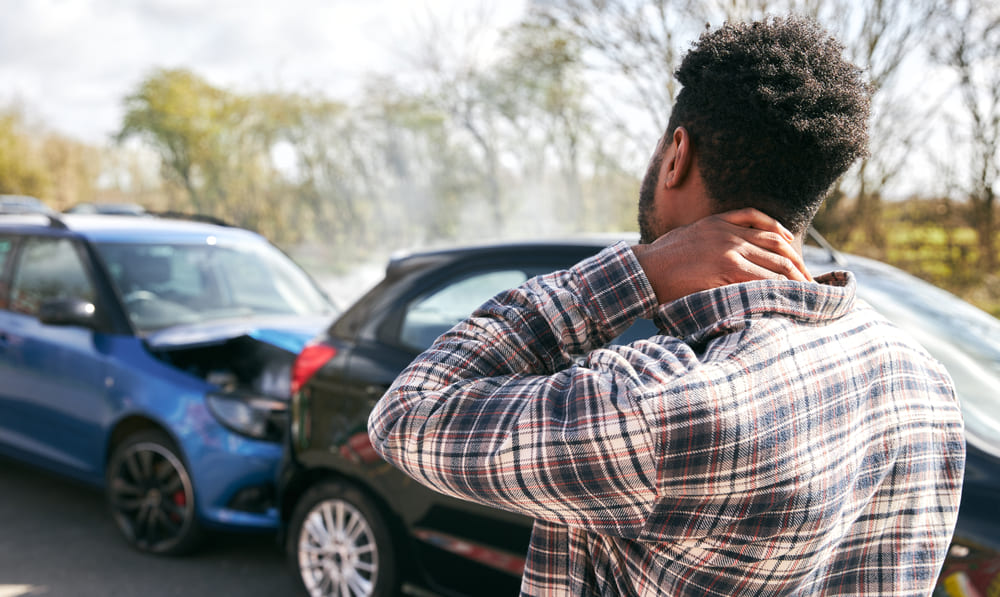
Being involved in a car accident is more than just a quick jolt or crunch of metal. Discomfort, both physical and emotional, can show up in the days that follow. Even when a crash feels minor, the effects can still be serious. Some injuries develop quietly and interfere with your daily routine.
One of the most important things to monitor after a crash is the presence of any warning signs after car accident that might indicate underlying injuries. At Paulson Coletti, we’ve seen how delayed symptoms can create serious medical and legal issues when left unchecked. Speaking with a knowledgeable Portland car accident lawyer can help ensure you protect your health and your right to compensation.
Injured in a Car Accident? We Can Help You Seek Compensation
Some injuries make themselves known instantly. Others appear more gradually. That doesn’t mean they’re any less serious. After a car accident, it’s important to pay attention to both the immediate and delayed warning signs of injury. Some symptoms, like intense pain, bleeding, or losing consciousness, need urgent medical attention. Others, including neck pain, recurring headaches, or cognitive troubles, might appear later but point to serious health concerns that deserve a quick response. Overlooking these signals might lead to further complications or a delayed claim that doesn’t reflect the full scope of your injuries.
These subtle warning signs might seem small at first, but they can rapidly become serious medical concerns. Getting evaluated early helps protect both your health and your ability to recover compensation.
Ignoring early symptoms could cause you to miss a chance for early treatment, which may shorten recovery time. For example, inflammation from a soft tissue injury can escalate without proper care. The same goes for brain injuries, which might not fully show until days later. Even minor discomfort should not be dismissed as insignificant.
Not every symptom is obvious. Some issues build gradually over hours or days. Below are some of the most common physical signals your body might send you post-accident.
These signs might appear minor, but they can indicate concussions, whiplash, or even brain injuries. A headache that worsens, doesn’t fade, or causes nausea isn’t something to ignore. Dizziness could suggest inner ear trauma or mild traumatic brain injury. Neck pain often connects to spinal damage, especially in rear-end collisions.
It’s also worth noting that some of these symptoms may not feel significant at first. A minor headache can become a migraine-like experience or a daily issue. That’s why it’s so important to pay close attention to developing discomfort, especially those linked to trauma.
Head injuries deserve special attention. Review the signs of a concussion after a car accident.
These symptoms might suggest nerve damage, herniated discs, or other spinal cord complications. When body parts feel less responsive, it’s often a sign that nerves or muscles have sustained trauma.
In some cases, nerve-related injuries also come with pain that spreads into the arms or legs and may worsen with movement. These signs can indicate a pinched nerve or disc displacement that requires professional evaluation. Staying alert to these issues helps you respond before the damage becomes more severe.
If you’re noticing these subtle changes, consider them part of the larger group of warning signs after a car accident that may go unnoticed in the immediate aftermath.
According to the American Academy of Family Physicians, millions of traffic accidents occur in the United States every year.
Victims may feel:
These symptoms may point to post-traumatic stress disorder (PTSD) or another psychological response. Recognizing and addressing these emotional injuries is just as important as healing physical wounds.
Trauma doesn’t only affect the body. Emotional distress may impact your ability to return to work, manage relationships, or even trust yourself behind the wheel. When these symptoms persist or strengthen, they could indicate a deeper issue that requires professional help. Keep in mind that warning signs after a car accident don’t always involve broken bones or visible injuries.
Contact Our Portland Car Accident Lawyer
You should seek care immediately if you experience severe bleeding, vision loss, vomiting, slurred speech, or loss of consciousness. But there are also quieter indicators that deserve prompt medical evaluation:
Prompt documentation helps medical providers identify internal injuries early. It also gives you a timely record if a legal claim becomes necessary.
Establishing fault and proving the extent of your injuries is critical to any car accident claim, and waiting too long to seek care can work against you.
Insurance companies might argue that your injuries aren’t related to the crash or aren’t as severe as you report. A medical gap between the accident and your diagnosis can be used to reduce or deny compensation.
That’s why quick documentation, continued follow-ups, and honesty with your care provider matter. They create a paper trail that supports both your recovery and your legal case.
Taking your health seriously from the start matters. Keep records, follow treatment plans, and be clear with your provider about all symptoms, no matter how small. This kind of documentation not only supports recovery, but it also helps your case if you seek compensation for warning signs after a car accident that weren’t obvious right away.
At Paulson Coletti, we understand how injuries can take time to show up and even longer to heal. Whether you’re suffering from headaches or emotional distress, knowing what to do next makes a huge difference. Don’t let hidden symptoms hurt your health or your right to financial recovery.
We’re here to support car accident victims across Portland. Call us now at 503-226-6361 to schedule your free consultation and talk through any warning signs after a car accident that you’ve experienced.
[user-contact id=”2″]

This page has been written, edited, and fact-checked by our team of legal writers in accordance with our editorial guidelines. It has been approved by partners Jane Paulson and John Coletti—respected trial attorneys with decades of experience representing personal injury victims.
Key Takeaways Electric vehicles are not inherently more dangerous and often receive strong crash safety ratings. Their design, including larger crumple zones and reinforced...
Key Takeaways Prioritize safety by checking for injuries and, if possible, moving vehicles out of traffic. Call 911 promptly to secure medical help and...
Key Takeaways Oregon law bans holding or using a phone while driving, even at a red light. A violation can occur with texting, browsing,...

 (503) 226-6361