call today for your free evaluation
call today for your free evaluation
Posted on September 19, 2025 written by Jane Paulson
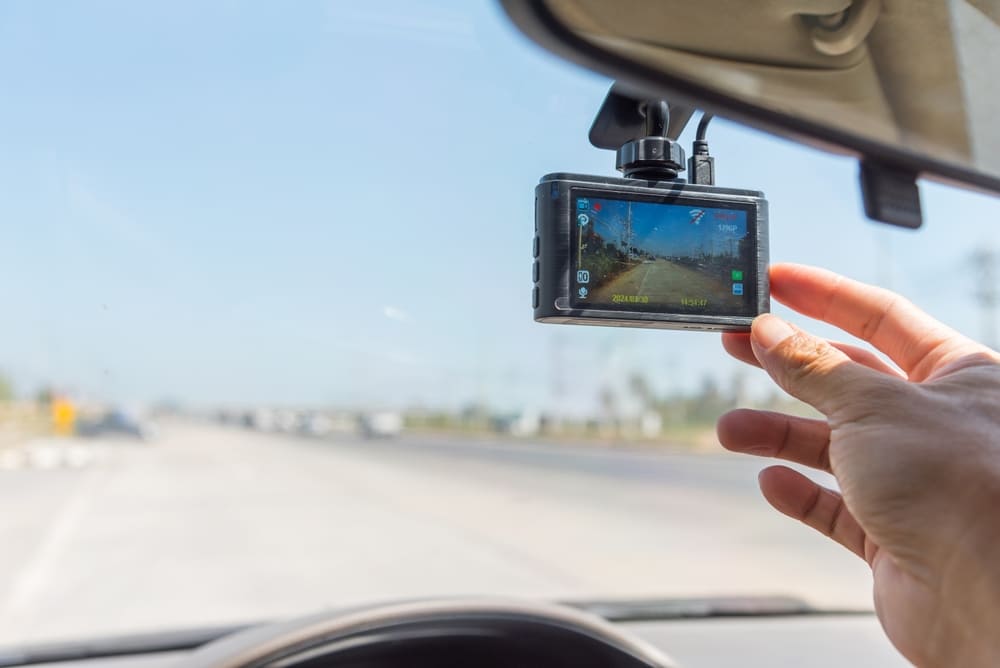
Learning about Oregon dash cam laws is essential for Portland drivers who want to use these devices responsibly and legally. These cameras can provide critical evidence after a crash, help clarify disputed events, and support accountability on the road. However, they also come with certain restrictions under Oregon law that drivers should understand before installing one.
At Paulson Coletti, we guide clients through car accident cases where dash cam footage may play an important role. We emphasize the importance of using this technology to comply with state requirements while still protecting your rights. If you need trusted support after a crash, our experienced Portland car accident lawyer is here to help you navigate the legal process and pursue fair compensation.
Injured in a Car Accident? We Can Help You Seek Compensation
Yes, dash cams are legal in Oregon. Drivers can install them in their vehicles, but the law has specific rules about where they can be placed. A key concern is whether the camera obstructs the driver’s view of the road. This ensures road safety while allowing drivers to use technology that may protect their rights after an accident.
Many Portland residents choose dash cams because they can serve as impartial witnesses. Unlike human testimony, which can be influenced by memory gaps or stress, dash cams provide direct footage of what happens on the road. This has made them increasingly popular among private drivers, ride-share drivers, delivery workers, and commercial fleets.
In Oregon, drivers can use dash cams, but the law limits how and where they can be mounted. According to Oregon Revised Statutes 815.270, titled Obstruction to Driver’s View or Driving Mechanism, state law prohibits placing any object that reduces or blocks a driver’s clear view of the road. This means you cannot attach a dash cam to the windshield or side windows if it interferes with visibility.
Placement tips Portland drivers should follow:
Drivers often wonder if attaching a dash cam to the upper corner of the windshield is acceptable. While this may seem convenient, even small devices can technically violate the law if they hinder visibility. A safer approach is to place the camera low on the dashboard, angled upward, so it captures the road without interfering with the driver’s field of vision.
While video recording is generally allowed, Oregon law has stricter rules regarding audio recording. Under Oregon Revised Statutes 165.540, it is illegal to record a conversation without all parties’ consent, known as the two-party consent rule.
For Portland drivers, you cannot record inside conversations between passengers unless everyone is aware and agrees. Commercial drivers who use dash cams with built-in microphones should be cautious, as failing to comply with this law could expose them to lawsuits or criminal penalties.
Recording audio without the consent of all parties is unlawful in Oregon. Violating this law can lead to criminal charges and civil liability. Portland drivers using dash cams with audio functions should disable the microphone or ensure passengers and other individuals know they are being recorded.
An important point to remember is that even casual conversations in the car fall under this rule. A driver who forgets to disable the audio setting could unintentionally break the law. Being proactive by disabling the feature or informing passengers protects you from legal trouble.
Yes, dash cam footage can be used in court proceedings, including car accident cases, if it is collected legally. Judges may review the video as evidence to help determine fault, evaluate traffic violations, or verify statements from drivers and witnesses. However, if the footage was obtained in violation of Oregon’s consent law, courts may rule it inadmissible.
Factors affecting admissibility include whether the dash cam placement complied with visibility laws, whether the audio recording followed consent requirements, and the clarity and reliability of the video.
In practice, dash cam footage often strengthens a personal injury claim. For example, a driver who is rear-ended at an intersection may use dash cam video to demonstrate that they obeyed traffic laws at the time of the collision. The video can show speed, traffic signals, and other drivers’ actions, making it harder for an insurance company to dispute fault.
Contact Our Portland Car Accident Lawyer
Despite the restrictions, having a dash cam can be very beneficial. Some advantages include documenting accidents in real time, supporting your version of events when dealing with law enforcement, protecting against fraudulent claims or staged collisions, and offering peace of mind for parents of teen drivers or professional drivers in Portland.
Another benefit is the deterrent effect. Drivers who know they are being recorded may be less likely to engage in reckless behavior. For parents, dash cams can provide valuable oversight for young drivers, helping them develop safe driving habits. Business owners who manage vehicle fleets also use dash cams to monitor safety practices and reduce liability.
Dash cams can also assist with non-collision events. For instance, they may capture vandalism to the vehicle when parked, theft or attempted break-ins, or hit-and-run incidents in parking lots or on the street. This footage can be valuable for police investigations and insurance claims, offering protection beyond accident scenarios. In many cases, clear video evidence not only strengthens an insurance claim but also provides law enforcement with crucial details such as license plate numbers, vehicle descriptions, and the exact timing of an incident, making resolution quicker and more effective.
Complying with Oregon dash cam laws can feel complicated, especially when an accident is involved. At Paulson Coletti, we recognize how crucial evidence can be in protecting your rights and guiding you through every step of the process. If you were injured in a crash, our team can carefully review your case, examine whether dash cam footage can help, and pursue the compensation you deserve under Oregon law.
Call us today at 503-226-6361 to discuss your options and begin confidently moving forward.

This page has been written, edited, and fact-checked by our team of legal writers in accordance with our editorial guidelines. It has been approved by partners Jane Paulson and John Coletti—respected trial attorneys with decades of experience representing personal injury victims.
Key Takeaways You can request OEM parts at any point in the repair process, regardless of fault. Oregon’s ORS 746.287 limits insurers from requiring...
Key Takeaways No single average settlement exists because Oregon law often keeps minor settlement records private and sealed. Injury severity, age, the clarity of...
Blind spot accident statistics highlight an alarming trend affecting drivers throughout Portland and nationwide. While modern vehicles are becoming increasingly advanced, many crashes occur...

 (503) 226-6361